

**Older Amazon Fire TV Sticks Have Just Lost Support For A Key Streaming Service**
It’s a disappointing day for Amazon Fire TV device owners and HBO Max users. With immediate effect, Fire TV streaming devices and smart TVs must be operating Fire OS 6 or higher to utilize the HBO Max app. AFTVnews was the first to report this news, and we suspect that Amazon’s ongoing deployment of its Vega smart TV OS is a significant factor in the company’s decision to end HBO support. Vega OS is built on Linux instead of Android and is often considered one of the least favorable smart TV operating systems.
Ultimately, Vega OS is set to completely take over Fire OS as the brand’s primary interface for applications, the Alexa voice assistant, and smart home management. While we appreciate part of the rationale behind this move, it can pose difficulties for developers like HBO Max to constantly adapt apps for older hardware. Consequently, millions of Fire OS device users will find themselves without access to a key streaming service — unless they manage to upgrade to Fire OS 6.
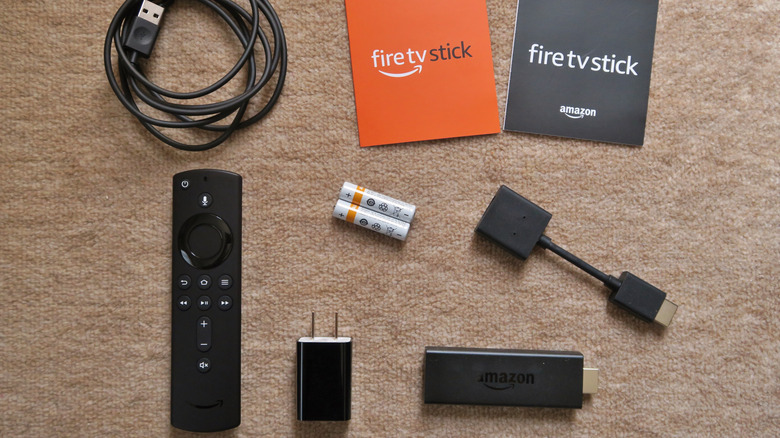
As of today, Fire OS 5 is the software cutoff for popular devices such as the Amazon Fire TV Stick (2014), Fire TV Stick Basic Edition (2017), and Element 4K Fire TV (2017). If you possess a smart TV that runs on the first or second version of Amazon’s Fire OS (2014-2015), you’ll also lose HBO Max access.
**Navigating the challenge that is innovation versus prolonged device support**
Amazon has been somewhat aggressive in phasing out devices in 2026 so far. Just last month, a class action lawsuit was lodged against the company for software tethering, which occurs when a developer restricts device capabilities by halting updates. Consumers expressed frustration when Amazon discontinued support for its first- and second-generation Fire TV Stick, launched in 2014 and 2016. Additionally, Amazon revealed that starting May 20, 2026, it will cease support for Kindle devices released prior to 2012.
Then, in January 2026, the company discreetly terminated support for its Fire TV Blaster — a device that facilitated control of AV components via infrared without requiring a direct line of sight from a Fire TV product. Although Amazon runs an extensive recycling initiative, the sad truth is that many of these devices are likely to become e-waste in the future. It can also be quite frustrating to witness how swiftly tech giants pursue new innovations (like Vega OS), while neglecting older users.
Nonetheless, there’s merit in keeping pace with technological advancements. Streaming services like HBO Max are filled with content, features, and settings that necessitate increasingly advanced processors and memory. After all, nobody wants to contend with endlessly buffering films or the risk of compromised user information. However, it would be ideal if Big Tech could find a more effective balance between being at the forefront and abandoning existing users.