

**Apple’s Investment in Private Law Enforcement: An In-Depth Examination**
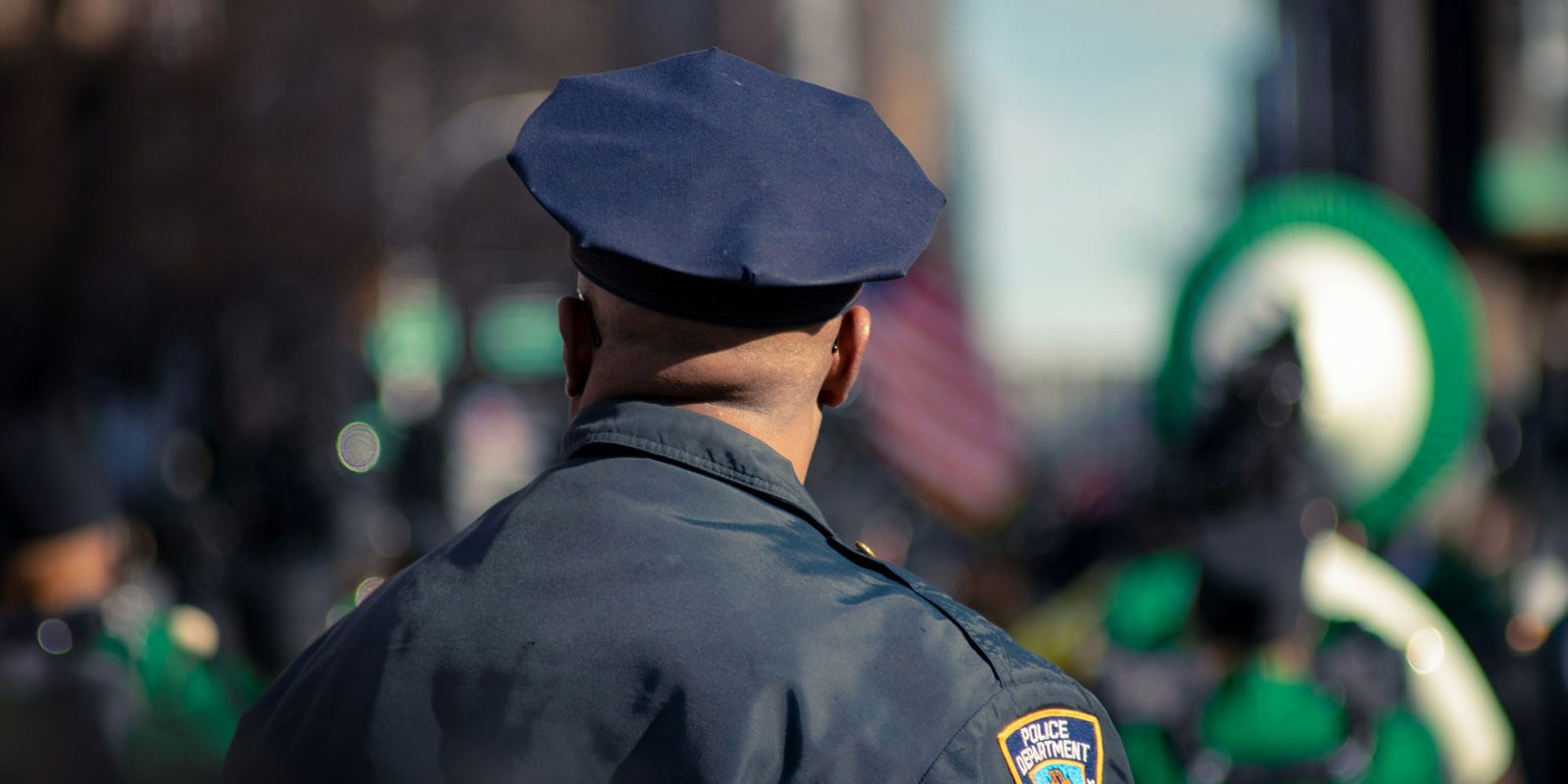
A forthcoming report has disclosed that Apple invested more than $1.2 million in just one year to employ police officers for safeguarding three of its retail locations in San Francisco. This financial outlay was arranged through a private security firm, underscoring an increasing trend among technology corporations in the region to engage police services for improved safety.
In San Francisco, the hiring of police officers by private entities is legally authorized. Through a local initiative known as 10B, businesses are allowed to contract police officers for supplementary security services, contingent upon the approval of the police chief. This setup enables companies to remunerate at the same hourly rates that the city usually pays officers, rendering it an appealing option for enterprises worried about security.
The report suggests that Apple is not isolated in this practice. Other technology behemoths, such as Airbnb and Salesforce, have similarly made substantial investments in police protection. For example, Airbnb is said to have expended around $428,443 for police presence in 2024, while Salesforce’s spending amounted to approximately $727,907 via a security provider. Apple’s allocation of over $1.2 million for police oversight at its stores positioned it as the second-largest client for such services in that year.
The phenomenon of private enterprises employing police officers is not restricted to San Francisco or California. About 80% of police departments throughout the United States allow officers to engage in private security roles, prompting concerns regarding the ramifications of this practice.
Perspectives on the employment of police for private security are polarized. Detractors contend that it may create conflicts of interest and could potentially drain officers, affecting their core responsibilities. In contrast, advocates argue that this arrangement enhances the visibility of uniformed officers on the streets without incurring additional expenses for taxpayers.
As discussions persist, the practice of hiring private police remains a significant element of the dynamic between law enforcement and the private sector, especially in technology-driven areas like San Francisco.