
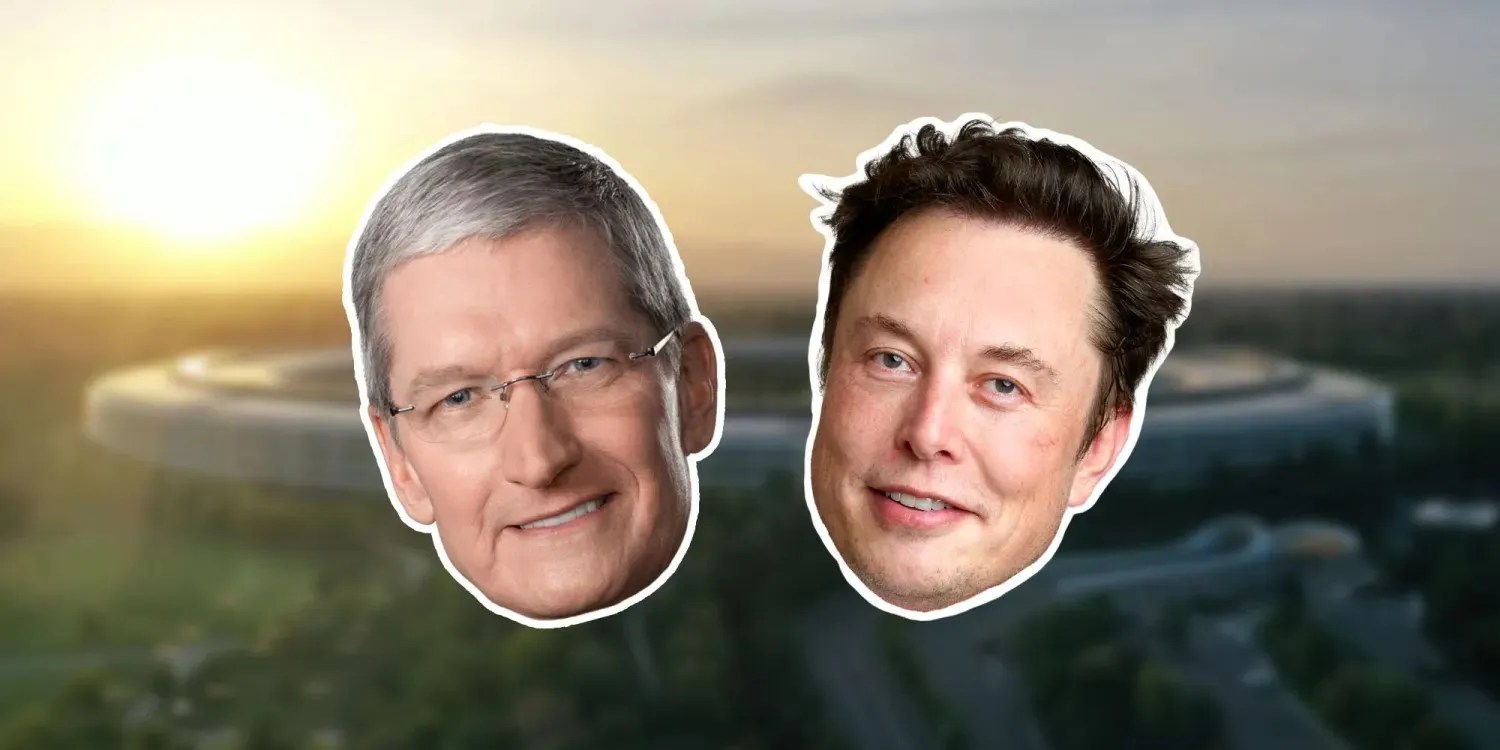

Apple’s Senior Vice President of Software Engineering, Craig Federighi, has been designated as a document custodian in xAI’s antitrust litigation against Apple and OpenAI. Here’s what that entails.
## A little context
Last year, Elon Musk accused Apple and OpenAI of collaborating to hinder competing LLMs from thriving in the App Store, leading to a lawsuit that now also encompasses the super app market.
In the legal action, xAI (which has now joined SpaceX) asserts that Apple’s agreement with OpenAI to embed ChatGPT into Siri has been affecting App Store rankings.
Apple has consistently repudiated these claims, particularly contesting xAI’s depiction that its agreement with OpenAI involves exclusivity, which it does not.
In recent months, xAI has sought to enlarge discovery in the lawsuit, including attempts to obtain documents from foreign corporations under the Hague Convention.
While the US court has approved these requests, success has been limited internationally. In January, South Korea dismissed its appeal to acquire documents from Kakao, which is behind one of the country’s leading super apps. Similar requests are ongoing in other nations.
## Federighi included in xAI’s lawsuit against Apple and OpenAI
This week, the case’s discovery was expanded once more when the court approved xAI’s motion to include Craig Federighi as a custodian but rejected the same proposal for Tim Cook:
> In this instance, Plaintiffs contend both Cook and Federighi “made high-level, strategic decisions about the Apple-OpenAI Agreement.” Plaintiffs have adequately fulfilled this criterion concerning Federighi. They assert that Federighi may possess unique relevant evidence not yet produced regarding Apple’s integration of OpenAI into Apple Intelligence, since, as Senior Vice President of Software Engineering, he was likely a pivotal decision maker in Apple’s software development. However, Plaintiffs did not establish this for Cook. They fail to clarify how Cook is likely to have any unique relevant evidence that has not already been produced or how naming Federighi as a custodian would not address this. Therefore, the Court GRANTS in part Plaintiffs’ request and appoints Craig Federighi as a custodian. Apple must supply responsive discoverable documents in Federighi’s possession by June 17, 2026.
The court also denied xAI’s request to add another unidentified Apple employee to the case, who would have provided insights into iPhone sales. In its ruling, US Magistrate Judge Hal R. Ray, Jr. stated, “[D]ocuments regarding competition in the smartphone industry writ large far exceed the scope of the claims in this case.”
Moreover, the court allowed xAI’s motion to seek documents related to Apple’s partnership with Google, although it curtailed the breadth of the initial request:
> This request is overly expansive and includes information that surpasses the relevant material pertaining to OpenAI’s defense. Nonetheless, the Court finds that associated documents referencing potential exclusivity agreements of the artificial intelligence provider for Apple products are pertinent and proportional to the requirements of this case. Therefore, the Court GRANTS the Motion in part regarding this matter and ORDERS Apple to produce this category of documents by June 17, 2026.
OpenAI, consequently, experienced a minor success, with the court permitting its request to compel Elon Musk to submit “emails at both Tesla and SpaceX, as well as his other text and XChat accounts,” which must be delivered by June 3, 2026.
Finally, the court dismissed xAI’s request for Apple to provide details on how AI is implemented internally, remarking that “it is unclear how Apple’s internal policies for its employees concerning artificial intelligence relate to Plaintiffs’ antitrust claims.”
You can examine the court’s complete decision below:
## Worth checking out on Amazon
FTC: We use income earning auto affiliate links. More.