
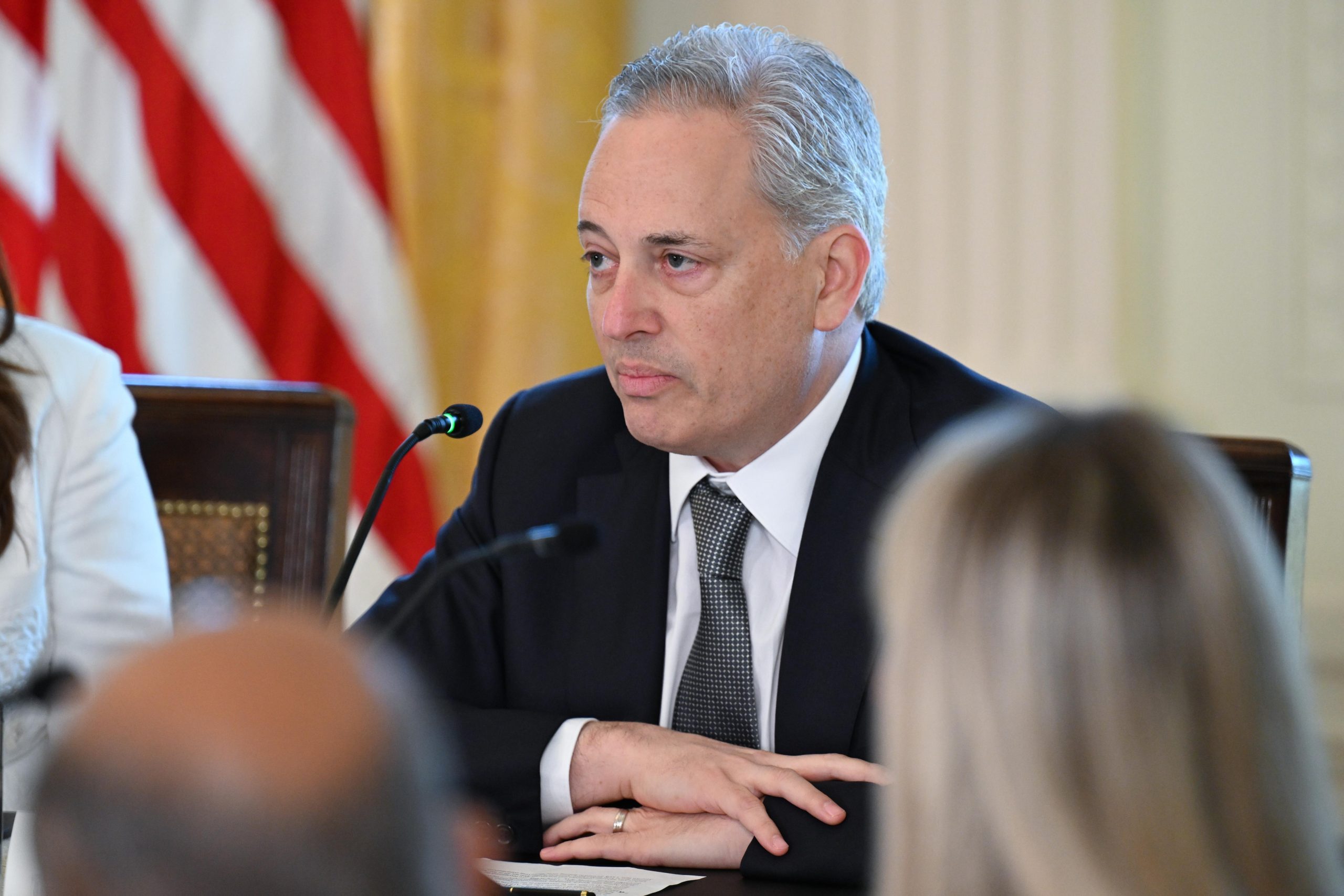

The Trump administration has shifted its stance on AI oversight, introducing more government regulation on technology—a nightmare for David Sacks. On Monday, the New York Times reported that the White House is considering government reviews of AI models before they are released. This move seems to reverse Trump’s previous pro-industry deregulation policies. Over the past year, Trump had repealed Biden’s executive order on AI safety, lifted export controls on advanced chips, and opposed state AI regulations.
This policy change is attributed to three main factors. Firstly, national security concerns have risen due to Anthropic’s Mythos, an AI model capable of finding cybersecurity vulnerabilities, which poses a threat if used by adversaries. Secondly, other countries are developing their own AI regulations, potentially conflicting with U.S. interests. Lastly, David Sacks was removed from his AI and crypto czar position, reducing Silicon Valley’s influence on Trump’s policies.
Sacks, a major Trump supporter and venture capitalist, had attempted to push an industry-friendly approach but alienated political allies, including Republicans and MAGA supporters. His efforts to consolidate AI policy control angered Trump’s base and GOP lawmakers. Meanwhile, the national security implications of powerful AI models have caught the attention of key figures like Treasury Secretary Scott Bessent and Chief of Staff Susie Wiles.
Federal agencies, previously sidelined, are now regaining authority. The Commerce Department has designated CAISI, part of NIST, to test commercial AI models before release, with agreements from companies like xAI, Microsoft, and Google DeepMind. The European Union is also debating AI regulations, which could affect U.S. businesses and national security.
Iran has targeted U.S. tech companies in retaliation for military actions, highlighting the critical nature of data centers. This geopolitical tension underscores the urgency of robust AI oversight. While Sacks retains influence as a billionaire CEO with access to Trump, he is no longer part of the inner circle, and his absence at recent state events reflects his diminished role.
In conclusion, the Trump administration’s shift toward AI regulation reflects both national security concerns and changing geopolitical dynamics, marking a significant pivot from its previous policy direction.