
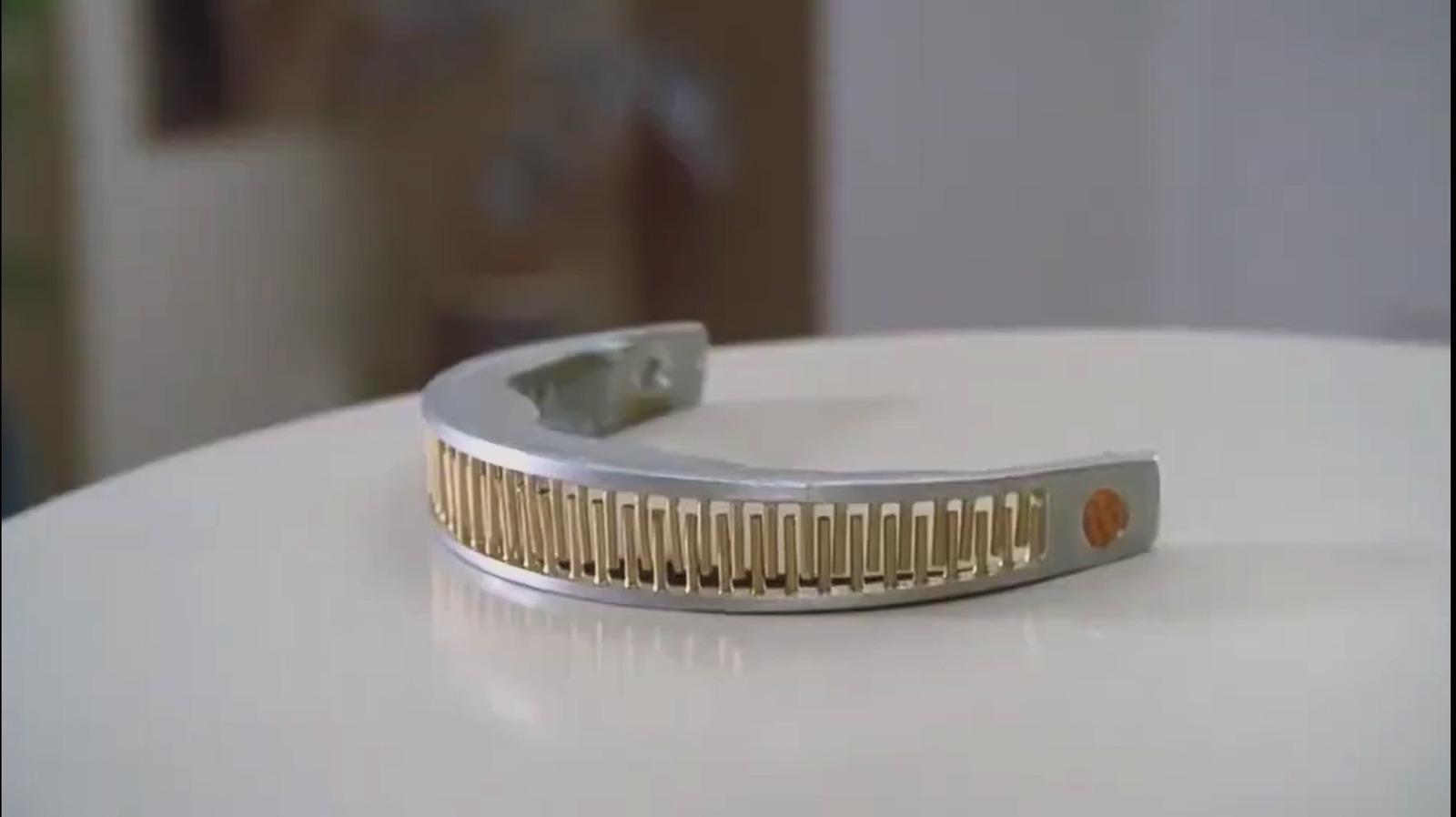

The phrase “Hollywood magic” refers to the methods employed by Hollywood studios (and others) to craft the imaginary worlds portrayed in television shows and films. Sets, props, and cinematographic techniques are all utilized to create the illusion — no need for AI-generated horror. Occasionally, studios produce custom set pieces, while at other times they enhance ordinary objects.
The series “Star Trek: The Next Generation” boasted a range of memorable characters and elevated the visual quality from its predecessor, particularly from the second season onward. One of the more captivating characters was Geordi La Forge, portrayed by LeVar Burton (a shoutout to “Reading Rainbow” fans). Although Geordi had many memorable scenes, what everyone recalls most about him is his distinctive VISOR, a prosthetic device worn over his eyes that allowed him to see. Born blind, he wore a device that appeared quite absurd. Fans likened it to a hair clip being sported as sunglasses. And indeed, they were largely accurate.
The book Star Trek: The Next Generation 365 (a companion guide to the series featuring interviews and behind-the-scenes images) unveils that the design of the VISOR was based on a hair clip, notably one worn by the roommate of the show’s scenic artist, Michael Okuda. Captivated by the way the clip’s teeth pattern “reflected light,” he borrowed it, spray-painted it gold, and presented the altered hair clip to Gene Roddenberry himself. The rest is history in television. Although Burton never actually donned the test clip (to our knowledge), without it, Geordi’s appearance might have been quite different.
History is fond of suffering and irony.
Science fiction franchises like “Star Trek” have driven numerous real-world innovations. We might not enjoy portable language translators were it not for the universal translators introduced in “Star Trek.” Given the recent technological advancements, we may soon include the VISOR among those innovations, as smart glasses can assist visually impaired individuals in reading. However, the actual VISOR prop had the reverse effect.
In a BBC interview, LeVar Burton described using the VISOR as “a living hell,” as it diminished his active vision by “85-90%.” He reported frequently colliding with everything from light stands to cables. In the series, he portrayed a blind man who could see thanks to the VISOR, but on the set, he struggled with visibility because of the VISOR prop itself.
As mentioned previously, “Star Trek: The Next Generation” underwent a visual upgrade beginning with its second season. Props and sets appeared more polished, and William Riker (Jonathan Frakes) grew facial hair. While Geordi’s VISOR appeared more believable, it was also weightier. According to Burton, the only method to secure it to his head was, frankly, with actual screws. These fastened the VISOR firmly in place, but the flanges on the inside pressed into his temples — enough to cause headaches after 15 or 20 minutes, though not sufficient to inflict real injury. This continued for six years. Now that’s dedication to the craft.