

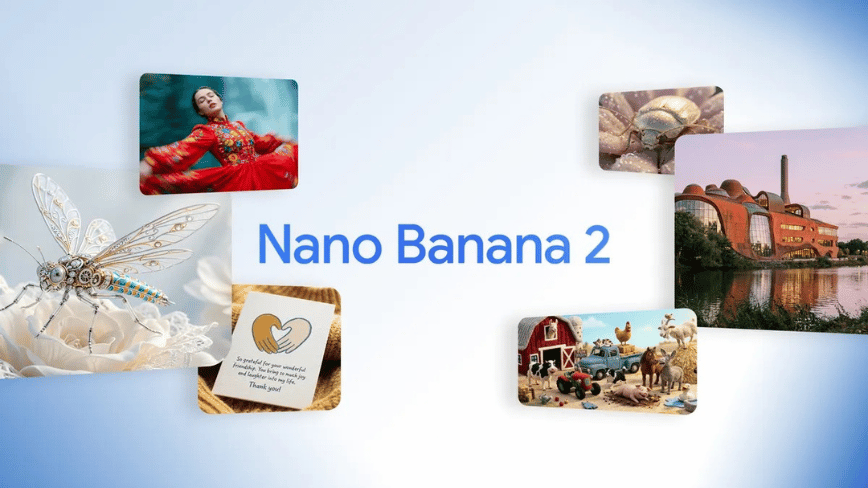
In short: Google has introduced Nano Banana-powered image generation to Gemini’s Personal Intelligence feature, enabling the AI to create images using data from a user’s Gmail, Photos, Calendar, Drive, and other Google apps. Initially available to Plus, Pro, and Ultra subscribers in the US, Europe is not included in the first global launch. Nano Banana is Google’s native image generation suite for Gemini, now encompassing three model versions.
Google has introduced Nano Banana-powered image generation to Gemini’s Personal Intelligence feature, allowing the AI to generate images based on a user’s personal context across Gmail, Photos, Calendar, Drive, and other Google apps. This update enables Gemini to create images informed by your identity and activities, beyond merely responding to a prompt.
This feature is being rolled out to Plus, Pro, and Ultra subscribers in the United States in the coming days, with free users anticipated to have access in the following weeks. Google plans to expand the feature to Gemini in Chrome on desktop and to more markets, though Europe is notably excluded from the initial global rollout of Personal Intelligence.
What Nano Banana is
Nano Banana is Google’s native image generation capability for the Gemini model family, distinct from Imagen, Google’s dedicated text-to-image line. While Imagen caters to users prioritizing quality, speed of iteration, and professional workflows, Nano Banana is designed for conversational image generation within Gemini, accepting text, images, or both as inputs.
The family now comprises three versions. The original Nano Banana, built on Gemini 2.5 Flash, facilitates basic conversational image generation. Nano Banana 2, released in February 2026 on Gemini 3.1 Flash, merges advanced features of the Pro version with faster iteration speeds. Nano Banana Pro, created on Gemini 3 Pro, integrates the model’s full reasoning and real-world knowledge into image generation, producing outputs reflecting a deeper understanding of prompts instead of mere surface-level pattern matching.
Google claims that Nano Banana leverages the Gemini model’s language understanding to capture prompt nuances in ways standalone image generators cannot. As the image generation is native to Gemini, it can comprehend the request before generating the image, using context from the conversation and now personal data.
The personal intelligence angle
Personal Intelligence is Google’s framework for linking Gemini to a user’s Google account data. Launched in January 2026, it allows Gemini access to text, photos, and videos from Gmail, Calendar, Drive, Google Photos, YouTube, Search, Maps, and other first-party apps. The feature is opt-in, letting users control which apps Gemini can access, and Google states the AI does not train on personal data.
Until now, Personal Intelligence primarily supported text-based personalization: answering questions about travel plans by reading Gmail confirmations and calendar entries or suggesting shopping items based on purchase history. Adding Nano Banana image generation extends personalization to visual outputs. Google provides examples such as generating images incorporating personal photos, creating visuals based on personal preferences and context, and producing outputs reflecting an understanding of personal life rather than generic stock imagery.
A “sources” button indicates how Gemini derived the context for each personalized image, granting users insight into which personal data informed the output. This feature adds meaningful transparency in a product category where AI-generated content provenance is increasingly contentious.
The competitive context
While Google is not the first to blend personal context with AI image generation, it has a structural advantage no competitor can easily match: it already possesses more personal data than any other consumer technology company. Gmail, Google Photos, Drive, Calendar, Maps, Search, and YouTube collectively provide a more comprehensive view