
Imagine riding a motorcycle at 160 kilometers per hour when an arrow appears on the road, guiding you on where to turn. No phone, no dashboard, just your helmet with a tiny lens.
This isn’t fantasy. It’s coming to European roads soon, showing the future of smart glasses.
Big Tech is making moves. Since 2023, Meta has offered AI-enabled Ray-Ban glasses. Google is developing Android XR, and Apple is anticipated to join the market. Samsung reportedly plans to unveil AI-capable smart glasses with Gentle Monster in London this July. Huawei, Alibaba, Xiaomi, and others in China are advancing as well.
Statistics show growth. AI glasses shipments jumped to 8.7 million units in 2025, over 300% more than the previous year, and may exceed 15 million this year, according to Omdia.
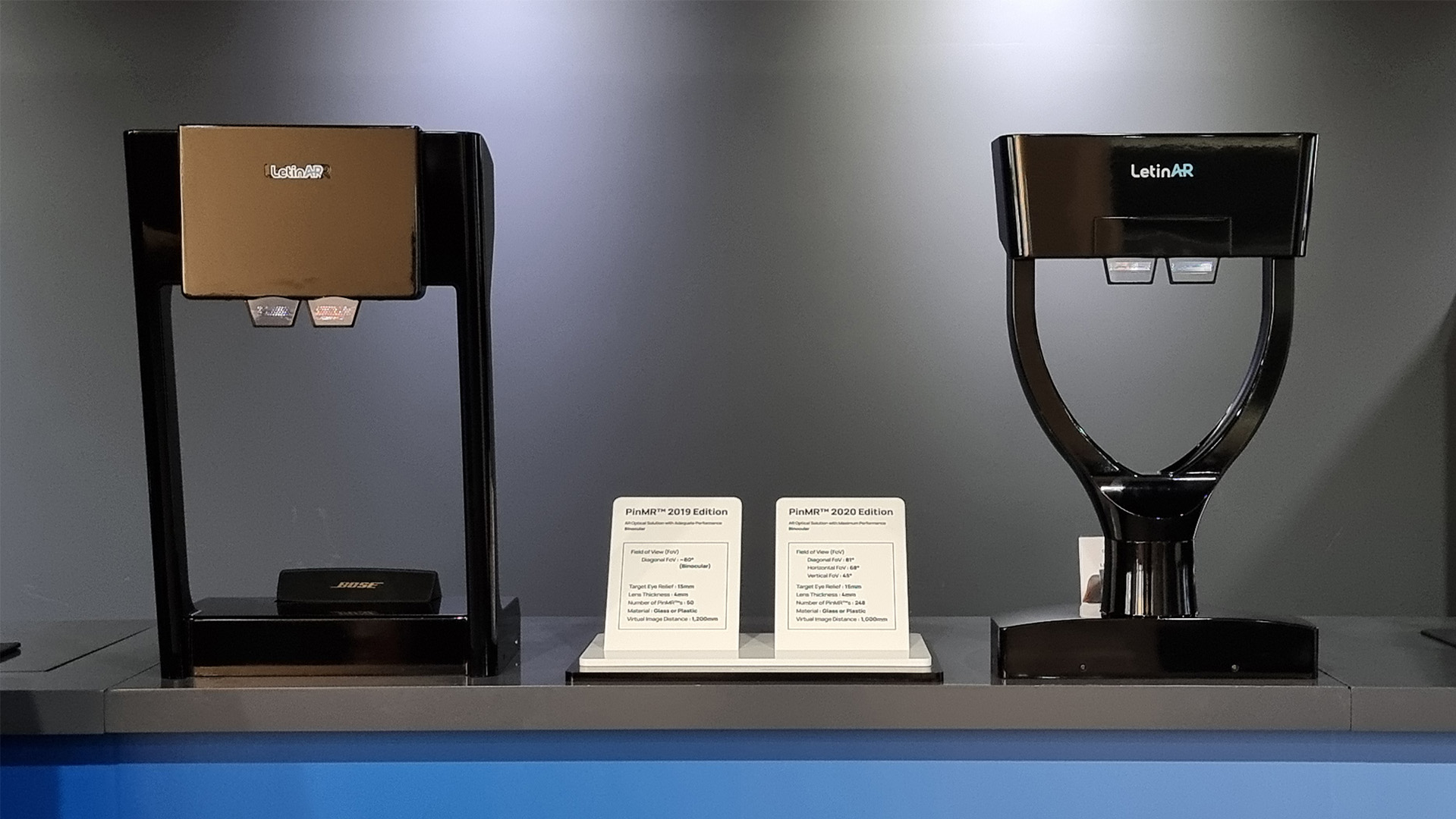
Suppliers and component makers are preparing for the future. LetinAR, a South Korean startup, has spent ten years developing optical technology to make smart glasses wearable.
The LG-backed startup secured $18.5 million from investors like Korea Development Bank and Lotte Ventures, before its planned 2027 IPO in South Korea.
LetinAR’s previous backer, LG Electronics, is now developing its AI smart glasses, signifying South Korea’s interest in this field.
LetinAR was founded in 2016 by Jaehyeok Kim and Jeonghun Ha, who have been friends since high school.
LetinAR focuses on the essential element of the glasses—a lens that projects images into the wearer’s view. This determines if smart glasses are like sci-fi or suitable for work. The lens must be lightweight, thin, and efficient while providing clear images. LetinAR is addressing this engineering challenge.
Kim stated they see AI glasses as the next platform, and the optical module is the most challenging part due to demands for thinner, lighter, and more efficient lenses.
LetinAR aims to be the go-to company for glasses makers. Their PinTILT technology arranges optical elements in a lens so light directs exactly to the user’s eye.
Most smart lenses, like waveguide technology, spread light across the lens, resulting in inefficient use of light and fast battery drain. Mirror-based approaches like birdbath are bulkier.
PinTILT focuses light into the eye, offering brighter images in a thinner, lighter form using less power, solving industry challenges.
Competitors include WaveOptics, DigiLens, and Lumus.
LetinAR already ships modules, with clients like Japan’s NTT QONOQ Devices and Dynabook. It is in discussions with major tech companies for next-gen AI glasses, though unnamed.
Aegis Rider, a Swiss company from ETH Zurich, is a demanding client. It creates AI-powered AR helmets displaying navigation and safety alerts directly on the road. LetinAR’s module is in these helmets, targeting the EU and Swiss markets in 2026.
Recent funding raises their total to $41.7 million, aiding in scaling as AI glasses go from niche to mass production. Kim believes AI glasses will integrate AI into daily life.