
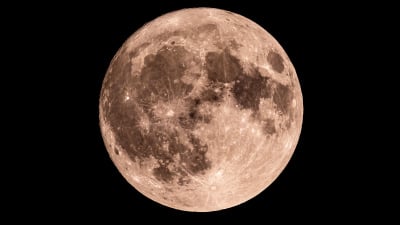

The Moon remains prominent in the night sky. By Lois Mackenzie on May 2, 2026.
It’s the day after the Full Moon, and it still appears almost fully illuminated. Keep an eye out for surface details tonight.
Today’s Moon phase is Waning Gibbous, with 100% visibility as per NASA’s Daily Moon Guide.
Without visual aids, expect to see Mare Crisium and Vaporum, and the Tycho Crater. Binoculars will reveal the Posidonus Crater, Archimedes Crater, and the Alphonsus Crater. With a telescope, view these features plus Apollo 14 and 17 landing sites and the Descartes Highlands.
The next Full Moon is on May 31.
Moon Phases Explained:
– New Moon: Invisible as it’s between Earth and the sun.
– Waxing Crescent: A thin right-side sliver (Northern Hemisphere).
– First Quarter: Right half is lit, appearing half-Moon.
– Waxing Gibbous: More than half lit but not full.
– Full Moon: Fully illuminated face.
– Waning Gibbous: Light diminishes from the right side (Northern Hemisphere).
– Third Quarter: Left side lit half-Moon.
– Waning Crescent: A final thin sliver on the left before darkness.
Lois Mackenzie is a freelance reporter at Mashable with experience covering various topics across numerous publications. She has a Master’s in Digital Journalism and a Master of Arts in English Literature.