
Public perception of the AI industry is declining, exacerbated by a series of unreliable executives. The high-profile legal battle, Musk v. Altman, highlighted a struggle for control. Elon Musk contended that Sam Altman shouldn’t lead OpenAI’s future, while Altman’s defense questioned Musk’s credibility. The jury, after a brief deliberation, dismissed Musk’s claims due to the statute of limitations. The trial revealed a deeper issue: many influential figures in tech appear untrustworthy, casting doubt on their authority over a trillion-dollar industry expected to significantly impact people’s lives. OpenAI founders, including Musk and Altman, initially aimed to prevent powerful AI from being controlled by the wrong entities, wary of Google DeepMind’s influence. Internal conflicts, like Brockman and Sutskever’s opposition to individual control, highlighted concerns over AI leadership. Musk v. Altman exposed internal tensions at OpenAI, including Altman’s temporary removal as CEO due to alleged dishonesty. Despite Musk’s accusations, testimony indicated his approach to AGI was similarly reckless. The trial underscored broader trust issues within the AI field, with key players appearing naive or hypocritical. Public sentiment towards AI remains low, driven by fears of job loss and lack of control. Calls for AI regulation have been met with resistance, with industry leaders preferring to delay oversight.
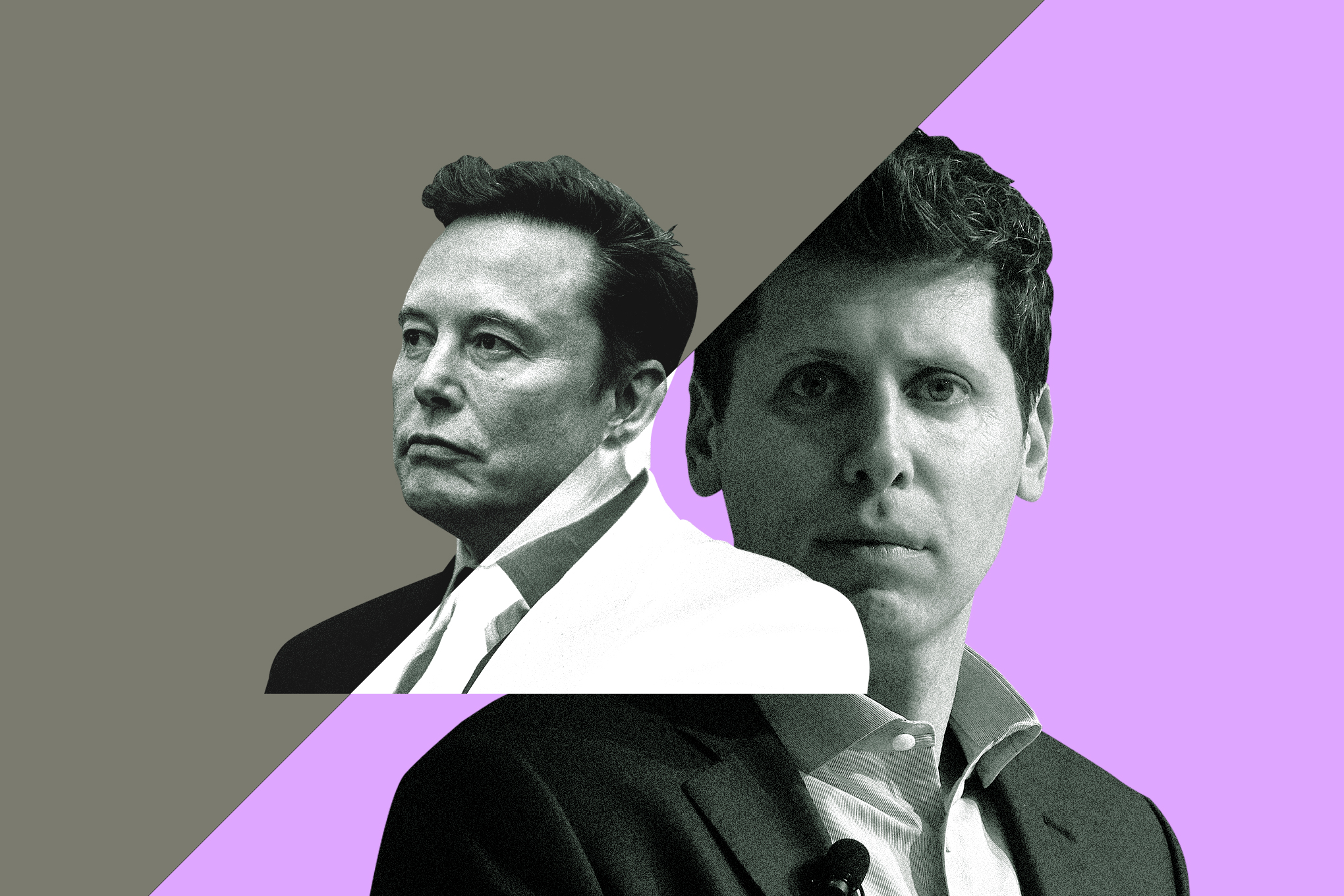
Musk v. Altman Highlights Misguided Leadership in AI

2 Min Read