
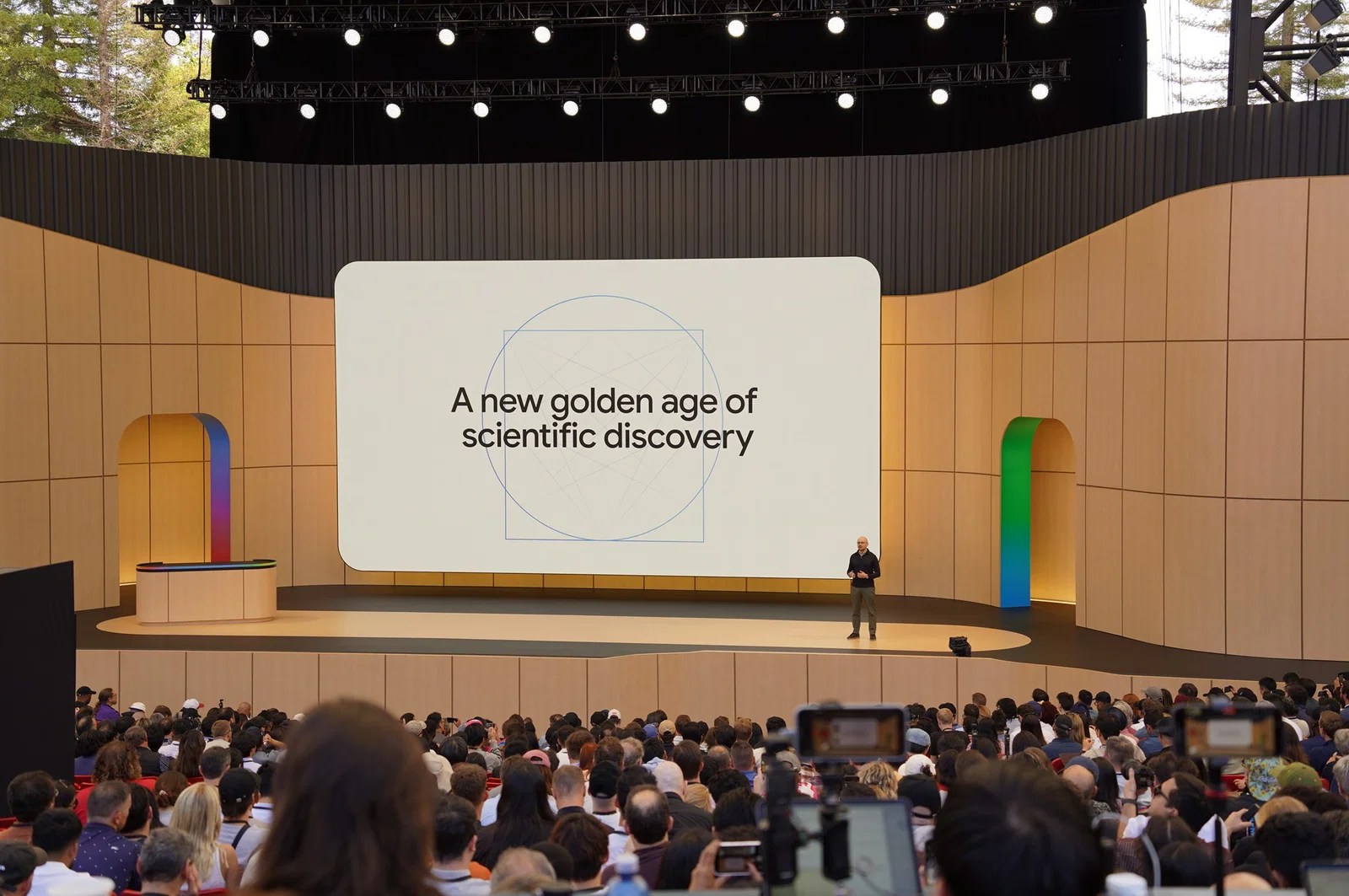
At this year’s Google I/O keynote, Google DeepMind CEO Demis Hassabis made a significant claim by expressing the company’s ambition to “reimagine the drug discovery process with the goal of one day solving all disease.” This is a statement that demands more context, as the real message was about Gemini for Science, experimental AI tools aimed at fostering research and discoveries. Advances like these in AI have already expedited medical breakthroughs, but it’s crucial to clarify that such innovations don’t equate to immediate solutions or cures for all diseases. Statements like these can easily be misinterpreted by the general public. Issues like algorithmic bias, data privacy, and accessibility remain challenges in implementing AI in healthcare. While models like AlphaFold and AlphaGenome show promises in understanding proteins and gene mutations, real-world applications and potential cures are complex and long-term endeavours. Misleading soundbites risk miscommunication. Just as the recent remarks by Health Secretary RFK Jr. sparked discussions by suggesting AI could render the FDA obsolete, it’s vital to maintain context. AI can accelerate some processes, but it doesn’t eliminate the need for rigorous testing and scientific research. Ultimately, thorough context is essential to avoid confusion and overinflated expectations about AI’s capabilities.
‘Solve all diseases,’ you say?

2 Min Read