
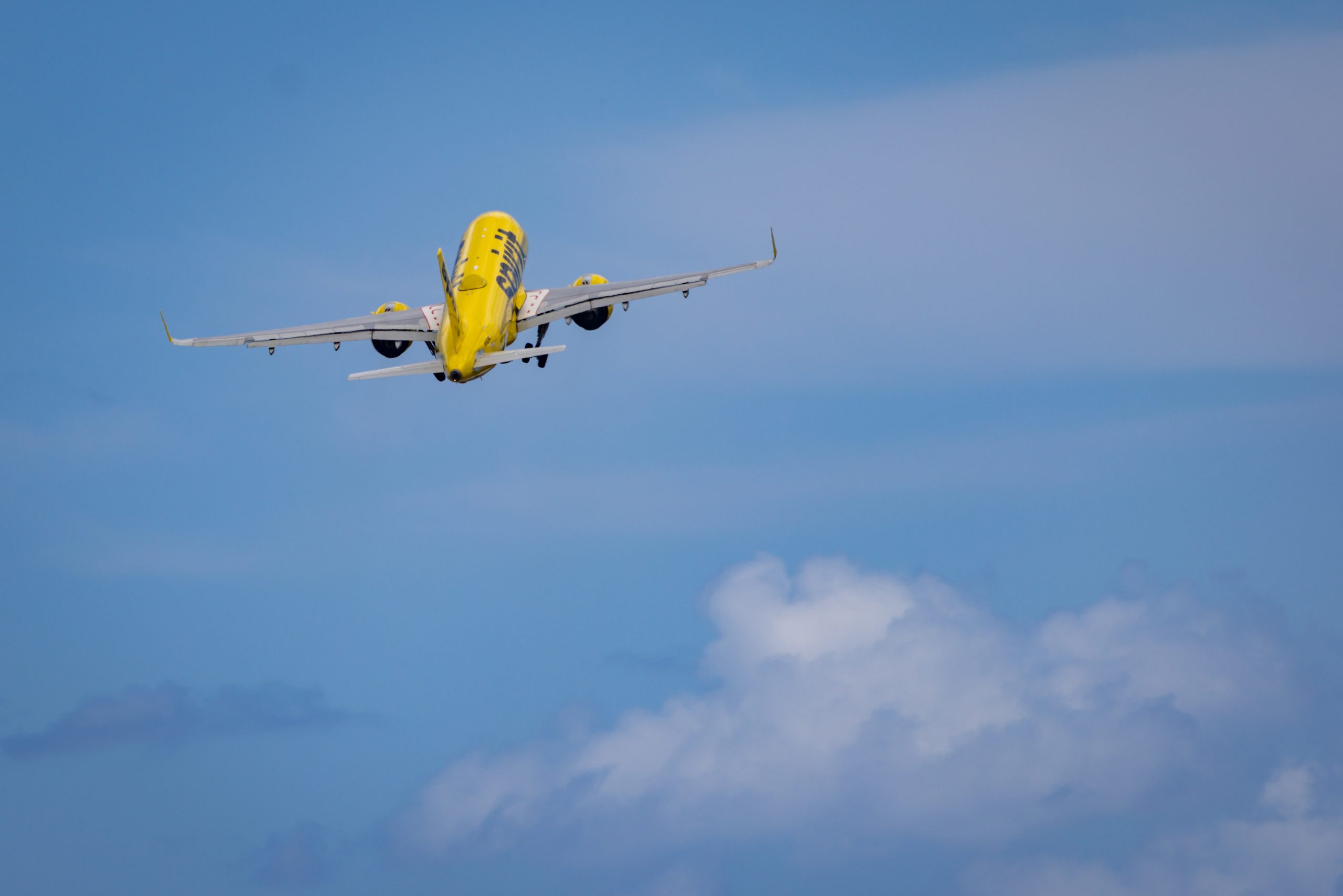

The ultra-low-cost carrier could soon vanish, removing 5% of domestic flights and 15,000 jobs, significantly affecting how millions fly.
Spirit Airlines’ bright yellow planes might soon exit the skies. As the country’s seventh-largest airline, it’s faced financial struggles for years, not turning a profit since 2019 and filing for bankruptcy twice recently. Its leaders were hopeful the airline could exit bankruptcy and be profitable by 2027, needing only time and stability.
However, time may be up. On April 20, Spirit sought a government bailout due to rising fuel prices from the Iran war, projecting $360 million in unexpected costs this year. Without external aid, Spirit might run out of cash.
Publicly, the Trump administration is skeptical about a bailout. Transportation Secretary Sean Duffy suggested it would “put good money after bad,” and Trump preferred a merger, saying he’d like someone to buy Spirit, highlighting its 14,000 jobs.
Privately, however, their strategy differs. The Wall Street Journal reported a proposed $500 million loan to Spirit from the government, in exchange for a potential significant stake in the airline.
This proposal faced bipartisan Senate criticism. Sen. Ted Cruz criticized the government for trying to manage a failing airline. Sen. Elizabeth Warren questioned the benefits of a taxpayer bailout, asking if the airline executives would be held accountable, pointing out Spirit’s vulnerability from a mix of poor economics, strategy, and luck.
As an ultra-low-cost carrier (ULCC), Spirit couldn’t adopt other airlines’ strategies of raising fares and fees, as seen with Delta and United. Spirit focuses on price-sensitive flyers, offering fares 40% lower than legacy airlines, and raising prices would alienate passengers flying solely for low costs.
Spirit expanded aggressively in 2019, betting on a growing demand segment, taking on $4 billion in debt for new airplanes and destinations. But after COVID-19 hit, air travel collapsed, leaving Spirit locked in costly lease agreements. Domestic travel took years to recover, with cost-conscious travelers flying less, hitting Spirit hard.
By late 2025, Spirit operated at 75% capacity, unsustainably low for its business model, leading to more debt and rising costs. Additionally, engine issues worsened. A recall of Pratt & Whitney engines grounded 20% of Spirit’s fleet, with many planes still offline.
Amid soaring fuel prices, Spirit’s finances couldn’t bear the increased costs of operating a fleet needing over 1 million gallons of fuel daily. In February, Spirit had $705 million cash in hand, not enough for fuel.
Spirit sought solutions, including a blocked merger with JetBlue and a rejected takeover offer by Frontier. Eventually, Spirit entered Chapter 11 bankruptcy in August 2025, cutting capacity, routes, employees, and leases under restructuring, shedding $5.4 billion debt.
Though not profitable, Spirit posted a $2.7 billion loss in 2025. Media coverage led Spirit’s management to reassure employees, writing off speculation about Spirit’s future but not addressing insolvency rumors directly.
If Spirit collapses, domestic aviation could shrink by 5% almost overnight, affecting millions’ affordable air travel access. Spirit’s absence could influence fares as well: a MIT study noted fare drops by $20 per segment in markets Spirit entered.
Spirit Airlines may be missed when gone, despite its reputation, as it impacts market prices and makes flying accessible to many.