
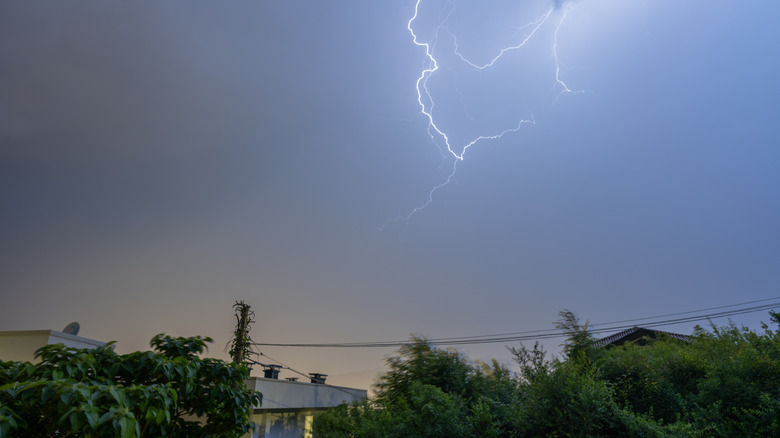

the NWS specifies “a standard surge protector offers minimal protection to the device (or the individual using it) in the event of a lightning strike.” In simple terms, it’s advisable to disconnect electronics prior to a storm and stay clear of any that remain connected.
A power surge represents an abrupt increase in voltage. For instance, a normal U.S. electrical outlet delivers 120 volts, whereas a surge would surpass that, exceeding 169 volts. Surges can produce heat, damaging essential parts or melting circuit boards, and can also harm internal components. Lightning strikes are not the sole cause, as surges may also result from power outages caused by grid fluctuations or failures, faulty wiring, or when high-powered electrical devices cycle on and off.
Most electronics are incapable of withstanding repeated spikes over time or a sudden surge. Indeed, surge protectors, power strips, and even generators have specific ratings. Consequently, there are numerous devices that should never be connected to a generator, as they consume excessive power and could potentially harm the system. Ideally, you would disconnect all electronics before a storm to safeguard them. In reality, that may not always be feasible, nor would it be practical, so it is wise to unplug the most critical devices, such as a desktop computer or a power strip that connects your entire entertainment setup.