
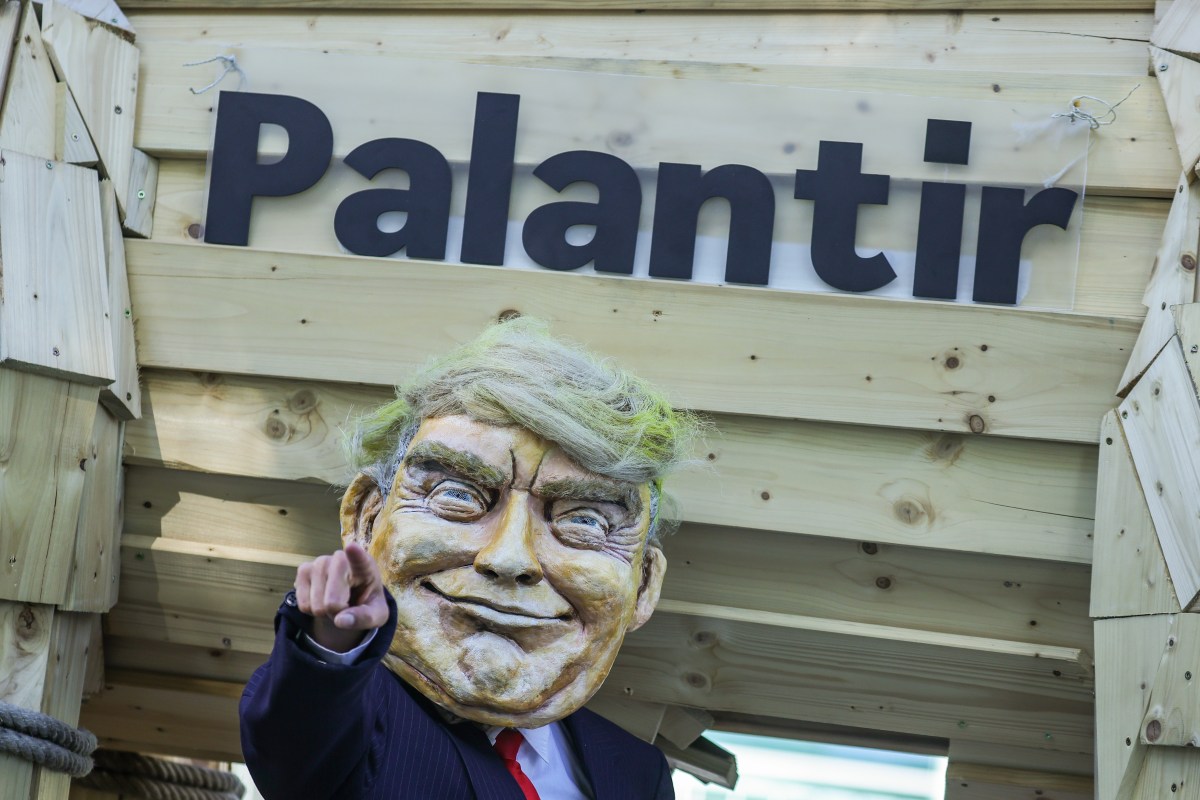

Microsoft CEO Satya Nadella rarely expresses his worldviews publicly compared to Palantir’s Alex Karp. However, France is moving to reduce its dependency on Windows, while its intelligence agency renewed its contract with Palantir, a contentious data analytics company.
This reflects Europe’s complicated breakup with U.S. technology. European governments are aiming to rely less on American providers due to concerns, but their efforts have been inconsistent.
The CLOUD Act, enacted in 2018 during Trump’s presidency, compels U.S. tech companies to comply with law enforcement data requests, even if the data is stored overseas. European soil is no longer a safe haven for critical data.
Health data remains one of the most sensitive, yet the U.K. struck deals with Google, Microsoft, and Palantir for NHS data during the pandemic. Critics push for following France’s lead, which plans to transfer its Health Data Hub from Microsoft Azure to a “sovereign cloud,” awarded to French provider Scaleway.
Scaleway, a subsidiary of French group iliad, received a €180 million sovereign cloud tender from the European Commission. AWS European Sovereign Cloud wasn’t selected. Some fear U.S. backdoors due to one winner using S3NS, a Thales and Google Cloud venture.
Alternatives to Big Tech often face challenges with underlying dependencies. Qwant, once favored for French public servants, had issues with Microsoft’s Bing and accused the company of dominance abuse. Qwant launched Staan with Ecosia to reduce dependency on Google and Bing, but they remain less known than U.S. giants.
Public contracts could help European challengers gain market share. The European Commission’s tender benefits French providers CleverCloud and OVHCloud, alongside STACKIT, created by Lidl’s parent company Schwarz Group.
Winning large contracts with European institutions could spur companies to emulate Germany’s retail giant. An additional goal is encouraging market options complying with EU laws and values.
Avoiding overreliance on one provider presents both resilience and challenges to fostering Europe’s next major company.
Skeptics might see sovereign tech as business-driven, yet Europe’s pivot hasn’t always benefited domestic startups. France is opting for Linux over Windows, with Austria, Denmark, Italy, and Germany considering similar changes to open-source alternatives.
The “build, don’t buy” strategy has faced criticism. France’s Court of Auditors questioned spending on in-house tools like Visio, intended to replace Zoom and Microsoft Teams, as reported by Les Échos.
Large private enterprises have not widely adopted alternatives. Lufthansa and Air France selected Starlink for Wi-Fi services, possibly influencing SNCF’s choice.
Decisions on alternatives vs. U.S. providers depend on compelling European options. European governments aim to counter claims of no substitutes like Starlink. Public sentiment and officials might withdraw from platforms like X.
After Trump’s threat on Greenland, apps boycotting American products topped Danish App Stores, indicating a broader demand. Pressure to reconsider U.S. contracts is growing. Palantir’s mini-manifesto may hinder its EU and UK standing.
Tech leaders promoting unpopular views reinforce a mutual breakup. Meta’s delay of Threads in the EU highlights its secondary market status, allowing companies to overlook the region.
This dynamic opens opportunities for Europe-specific solutions. The EuroStack initiative could boost demand, encouraging public sectors to purchase locally.
European tech might export well abroad. Mistral AI thrived as an OpenAI alternative, and governments back Cohere’s merger with Aleph Alpha for a transatlantic AI powerhouse. In 2026, not being American—nor Chinese or Russian—has become advantageous.
When purchasing through links, we may earn a commission, which doesn’t affect our editorial independence.