
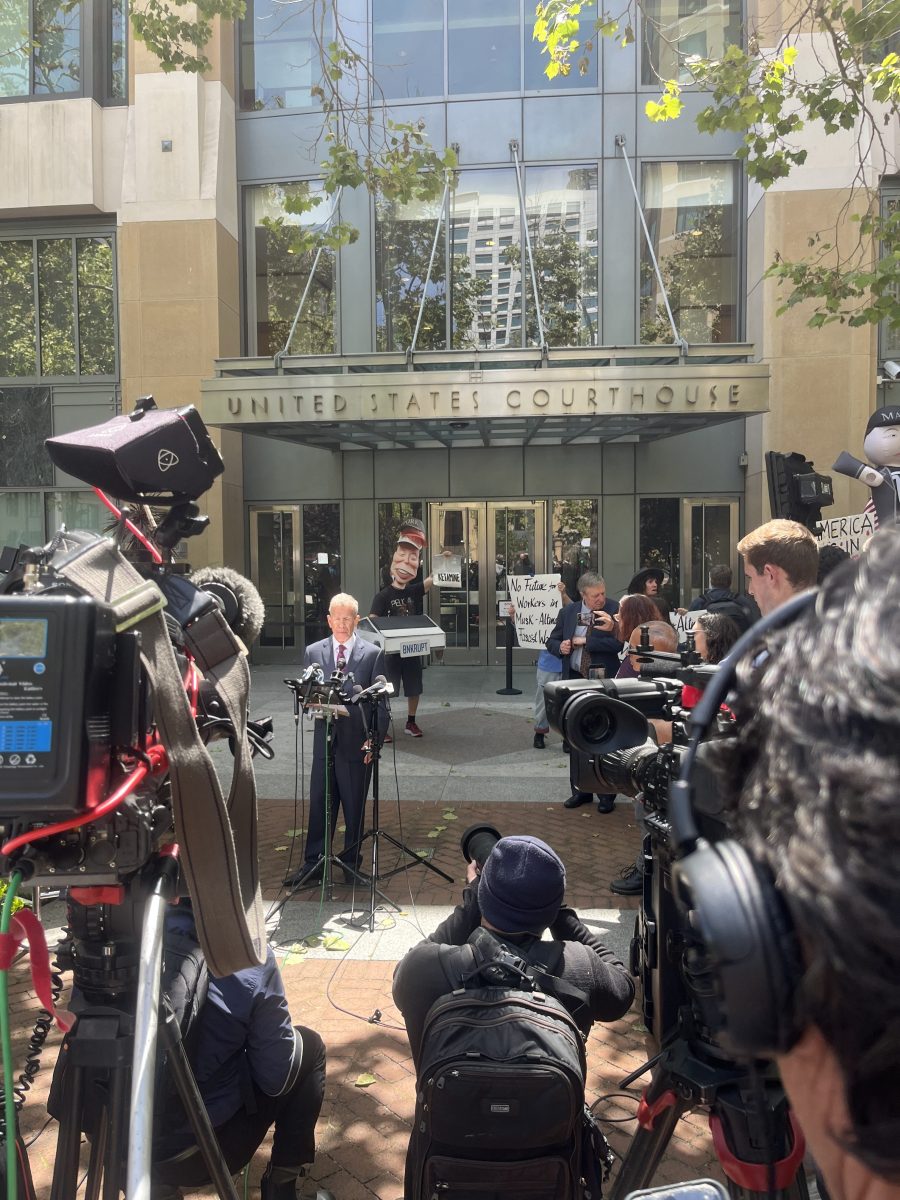

Nine jurors in California are currently deliberating over the future of OpenAI, a leading artificial intelligence lab. The trial involves Elon Musk’s case against OpenAI’s cofounders and Microsoft, touching on events like the founders’ 2018 split and Sam Altman’s dismissal and rehiring in 2023. The jurors will address key issues:
– Breach of charitable trust: Did OpenAI and its cofounders violate Musk’s conditions to use his donations specifically for a charitable purpose?
– Unjust enrichment: Did the defendants use Musk’s donations to benefit themselves through OpenAI’s for-profit sector?
– Aiding and abetting breach of charitable trust: Did Microsoft significantly contribute to Musk’s harm, knowing about his donation conditions?
OpenAI has presented three defenses:
– Statute of limitations: If OpenAI proves harm to Musk occurred before specific dates, his claims may be invalid.
– Unreasonable delay: Musk’s 2024 lawsuit was filed late, rendering his damages claim unreasonable.
– Unclean hands: Musk’s behavior regarding his claims against OpenAI was inappropriate, nullifying them.
A favorable outcome for Musk could potentially end OpenAI as a for-profit entity, but the aftermath remains uncertain. Upcoming hearings will debate consequences if a verdict favors the plaintiffs; otherwise, it might be irrelevant if the verdict is against Musk.
Musk’s lawyers argue that the defendants understood his intent to support a non-profit benefiting global AI safety and avoiding domination by any one entity. The $10 billion Microsoft investment in 2023, they claim, shifted priorities towards profit, undermining the AI safety mission.
OpenAI counters that Musk’s donations were utilized before key deadlines, ensuring their use in the intended purpose. They assert that the for-profit arm advances the foundation’s mission, generating substantial equity value. Sam Altman emphasized that offering free ChatGPT aligns with sharing AI benefits globally.
Regarding unjust enrichment, plaintiffs cite founders’ stakes as evidence Musk’s donations served personal gains, not the charitable mission. OpenAI contends Musk’s contributions were spent by 2020, after which it focused on advancing AGI development.
On aiding and abetting claims, Musk’s case hinges on Microsoft’s role during “the blip,” where their commercial interests allegedly swayed OpenAI’s mission. Microsoft refutes knowing of specific donation conditions and asserts their involvement enabled OpenAI’s success.
For statute of limitations, Musk claims his concerns solidified in 2022, leading to the 2023 Microsoft investment discovery. OpenAI argues the deal terms were always transparent, citing previous communications Musk ignored and emphasizing his formal disengagement in 2018.
Regarding unreasonable delay, OpenAI attributes Musk’s lawsuit to his mistaken beliefs about the company, suggesting structural changes after many years is unreasonable.
On unclean hands, OpenAI allege Musk’s concurrent AI ventures and actions undermined their mission, highlighting undisclosed relationships affecting board dynamics and Musk’s attempts to control OpenAI’s for-profit affiliate.