
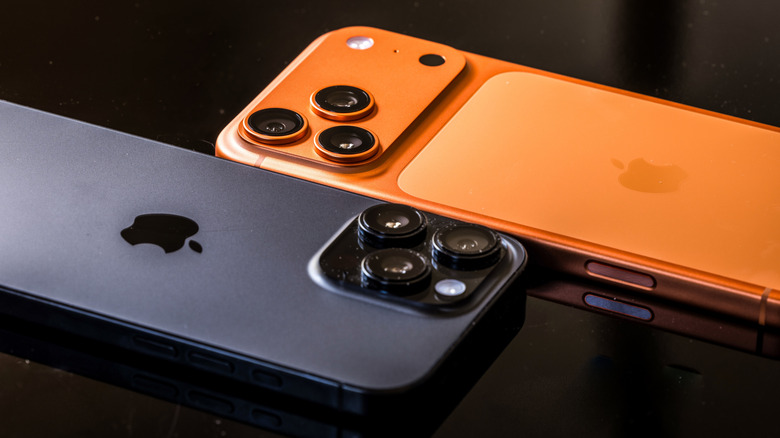

iPhone 17 Pro and Samsung Galaxy S26 Ultra models feature the largest camera protrusions in their series to date.
Is there a specific reason why your smartphone’s camera can’t be level, causing a bump that results in your phone swaying whenever you place it on a surface? Indeed, there are several factors contributing to this design, primarily stemming from manufacturers’ desire to maintain a slim profile for their devices. If you reduce the thickness of your smartphone but keep the camera dimensions constant, a bump will naturally occur. With devices like the Galaxy S25 Edge measuring merely 0.23 inches in thickness, the observable trend of enlarging camera bumps is logical.
So, why can’t these manufacturers simply downsize their cameras? Additionally, for phones that aren’t becoming thinner — like the iPhone 17, which has a slightly greater thickness than its predecessor — why are the camera sizes expanding? The explanation lies in enhancing camera performance, the constraints of physics, and our present technology. Essentially, to achieve superior photo quality, a larger sensor that occupies more space is necessary. This is why the finest smartphone cameras are all characterized by noticeable camera bumps.