

Renowned writer and producer Gene Roddenberry will forever be recognized for the creation of “Star Trek.” The immensely impactful sci-fi franchise began with the original series, which was broadcast from 1966 to 1969. Roddenberry would later produce one of the finest sci-fi programs of the 2000s, but prior to that, he launched a distinctly different series, though with evident similarities: “The Lieutenant.” The initial show Roddenberry developed was a one-hour military drama that aired from September 1963 to April 1964, encompassing just one season with 29 episodes. This is significantly below the 100 episodes typically required for a show to qualify for syndication, explaining why it is seldom rebroadcast.
At first glance, a military drama and a space-oriented sci-fi series may not appear to share much in common, yet “The Lieutenant” laid the groundwork for “Star Trek” in multiple ways. The series featured guest stars who would later become part of future Roddenberry endeavors, including “Star Trek” icons Leonard Nimoy, Nichelle Nichols, and Walter Koenig. Furthermore, the lead character of “The Lieutenant,” William Tiberius Rice, shares his middle name with James Tiberius Kirk, portrayed by William Shatner in the original series. More significantly, “The Lieutenant” served as a precursor to Roddenberry’s innovative approach to addressing social issues in “Star Trek.”
Similar to Star Trek, The Lieutenant confronted social issues
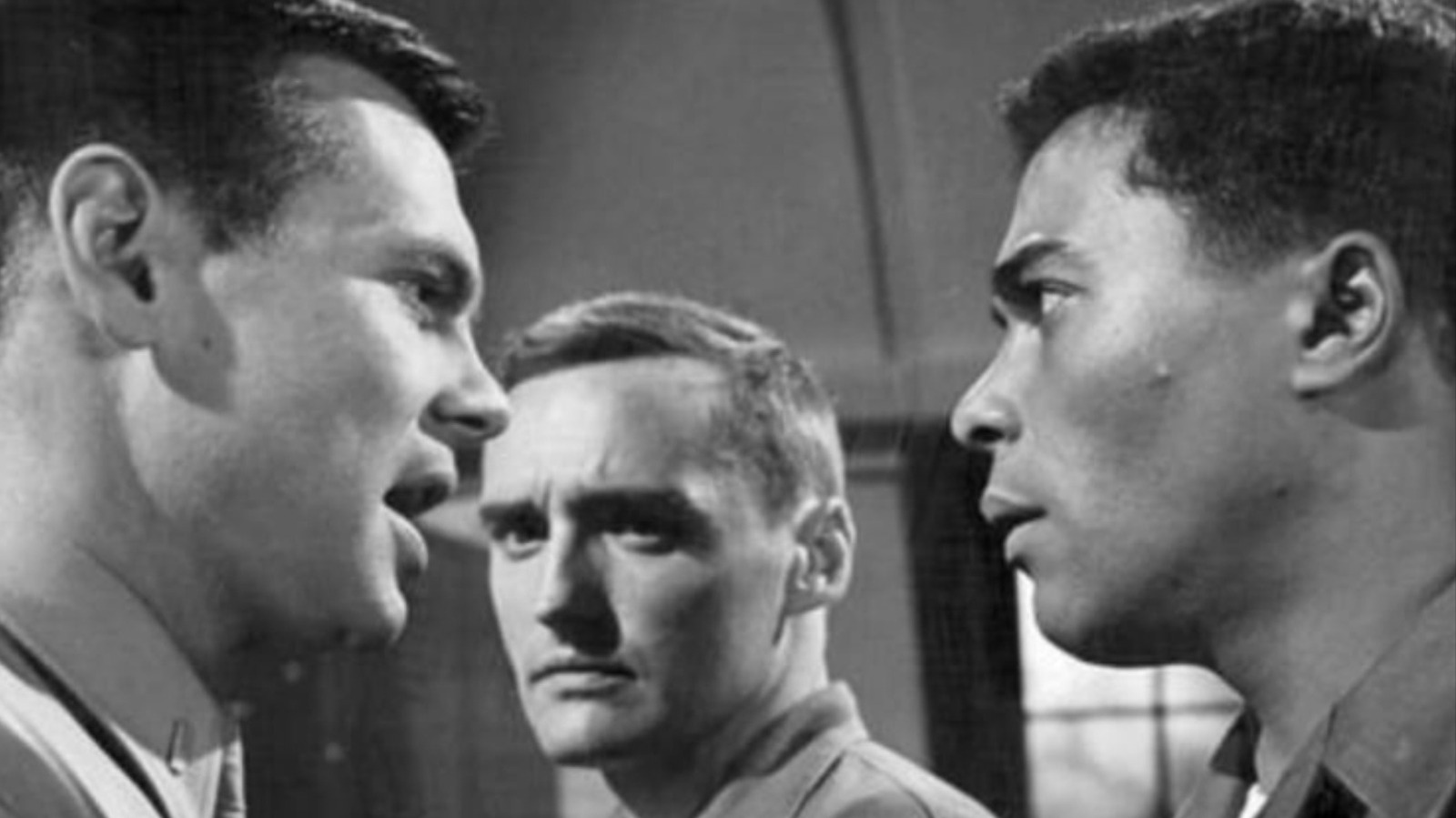
Numerous episodes of “The Lieutenant” tackle subjects that were extremely provocative during the Cold War and Civil Rights Movement of the 1960s. None addressed these themes as directly and consequentially as “To Set It Right.” This episode, which also marks Nichelle Nichols’ television debut, illustrates a racist confrontation between a Black Marine and a white superior officer. The military, which had earlier cooperated with the series, protested the episode’s content and retracted its support; NBC subsequently canceled “The Lieutenant” not long after.
This, however, did not deter Gene Roddenberry. “Star Trek” is celebrated for its incisive social critique, which remains pertinent and continues to adapt alongside the franchise. Although the show’s original cast was altered due to a misogynistic demand to reduce a female lead, it also boasted a diverse ensemble during an era when segregation was still a recent history. Notably, Nichols and Shatner shared the first scripted interracial kiss on U.S. television in an episode that aired in 1968 — merely one year after the Supreme Court annulled laws prohibiting interracial marriage.
Anticipating backlash from Southern television stations and viewers, NBC executives sought to film an alternate version without the kiss. The actors had to advocate for the pivotal moment, with Nichols confessing that she and Shatner deliberately sabotaged takes to compel the network to broadcast it. “Star Trek” is recognized for venturing into uncharted territory, yet “The Lieutenant” illustrates that Roddenberry was already challenging the limits of television.