
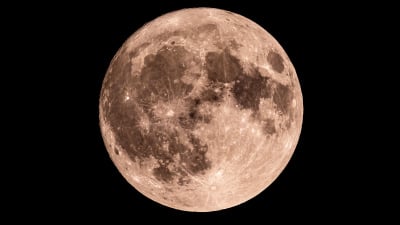

The Moon is nearly full on day 13 of the lunar cycle. If the sky is clear, you’ll likely see many features on the Moon’s surface tonight. The current phase is Waxing Gibbous, with 98% illuminated. Without aid, expect to see Mare Serenitatis, Tycho Crater, and Copernicus Crater; with binoculars, you’ll spot the Alps Mountains, Archimedes Crater, and Alphonsus Crater; and with a telescope, add the Apollo 16 landing site, Rima Hyginus, and Fra Mauro Highlands to your view. The next Full Moon is on May 1, the first of two in the month.
The Moon takes about 29.5 days to orbit Earth, going through eight phases. These phases result from changes in the Moon’s sunlight exposure. Here are the phases: New Moon, Waxing Crescent, First Quarter, Waxing Gibbous, Full Moon, Waning Gibbous, Third Quarter, and Waning Crescent.
– New Moon: Fully shadowed.
– Waxing Crescent: Thin lit sliver.
– First Quarter: Half-lit.
– Waxing Gibbous: More than half, not full.
– Full Moon: Fully lit.
– Waning Gibbous: Light diminishing.
– Third Quarter: Half-lit, opposite side.
– Waning Crescent: Nearly shadowed.