

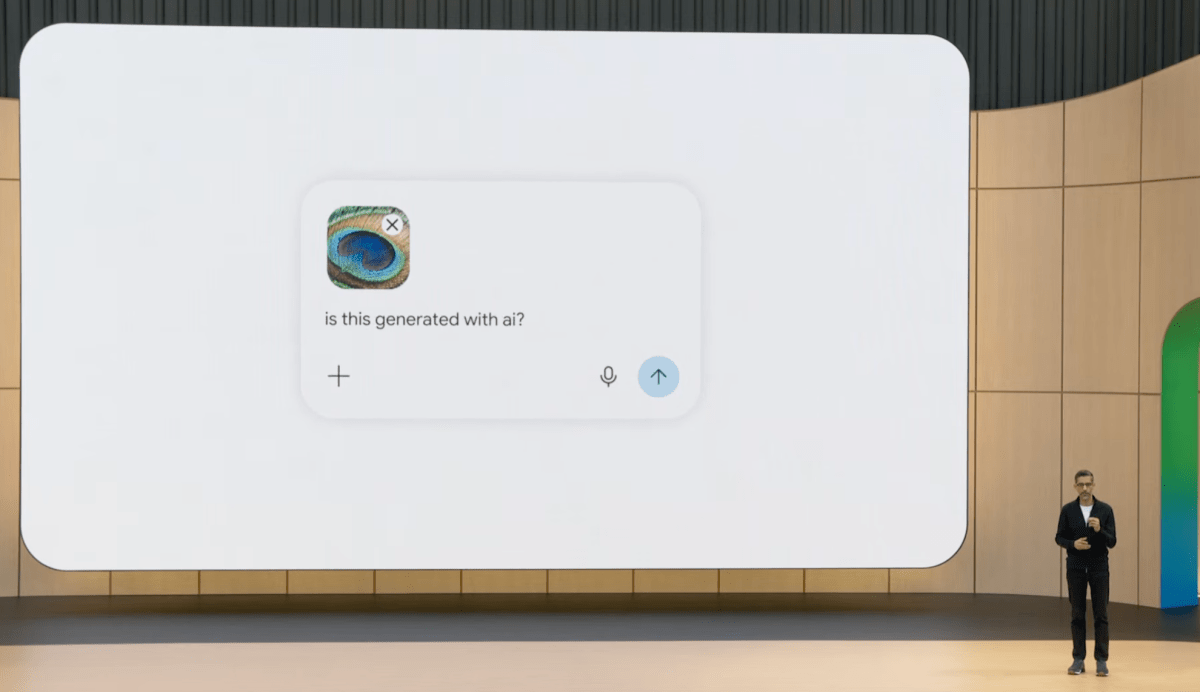
The rise of AI image generators has made it challenging to distinguish authentic images. On Tuesday, OpenAI introduced two measures to address this issue.
OpenAI has adopted the open C2PA standard, which indicates in metadata that AI generated an image. They are also collaborating with Google to implement an invisible watermark called SynthID, which is more resistant to tampering.
These protections apply to images created by OpenAI, and aim to prevent the company from contributing to the problem.
OpenAI introduced a public verification tool to detect AI-generated images, starting with their products and potentially expanding to others in the future.
Founded in 2021, C2PA works to reduce AI imagery’s negative impact on discourse. Google’s products use the C2PA standard, but its use across the industry is uneven. The C2PA signal, located in metadata, is manipulable and best for trusted users.
SynthID is a more durable watermark developed by Google, aimed to withstand removal efforts, such as screenshots or manipulation.
The systems complement each other by covering each other’s shortcomings.
“Watermarking can endure changes like screenshots, while metadata offers more information,” OpenAI stated. “Together, they provide stronger provenance.”
When you purchase through links in our articles, we may earn a small commission. This doesn’t affect our editorial independence.