

Purchasing a Chinese phone can lead to significant savings, but there are important factors to consider.
Devices available in China differ greatly from their internationally released versions. Since these phones lack the Play Store, each manufacturer presents its own unique app marketplace, and their update processes vary as well.
Over the past year, I experimented with Chinese versions of Vivo, OPPO, Xiaomi, Huawei, and Honor devices, and I observed that the differences between the global model and the Chinese variant—at least regarding software—are not as pronounced as they once were.
Article continues below
Data transfer occurs without delay
Google includes a built-in feature for transferring data to a new Android device, and although the process is slower than I prefer, it effectively transfers your content—photos, videos, texts, apps, calls, contacts, and more—to your new phone.
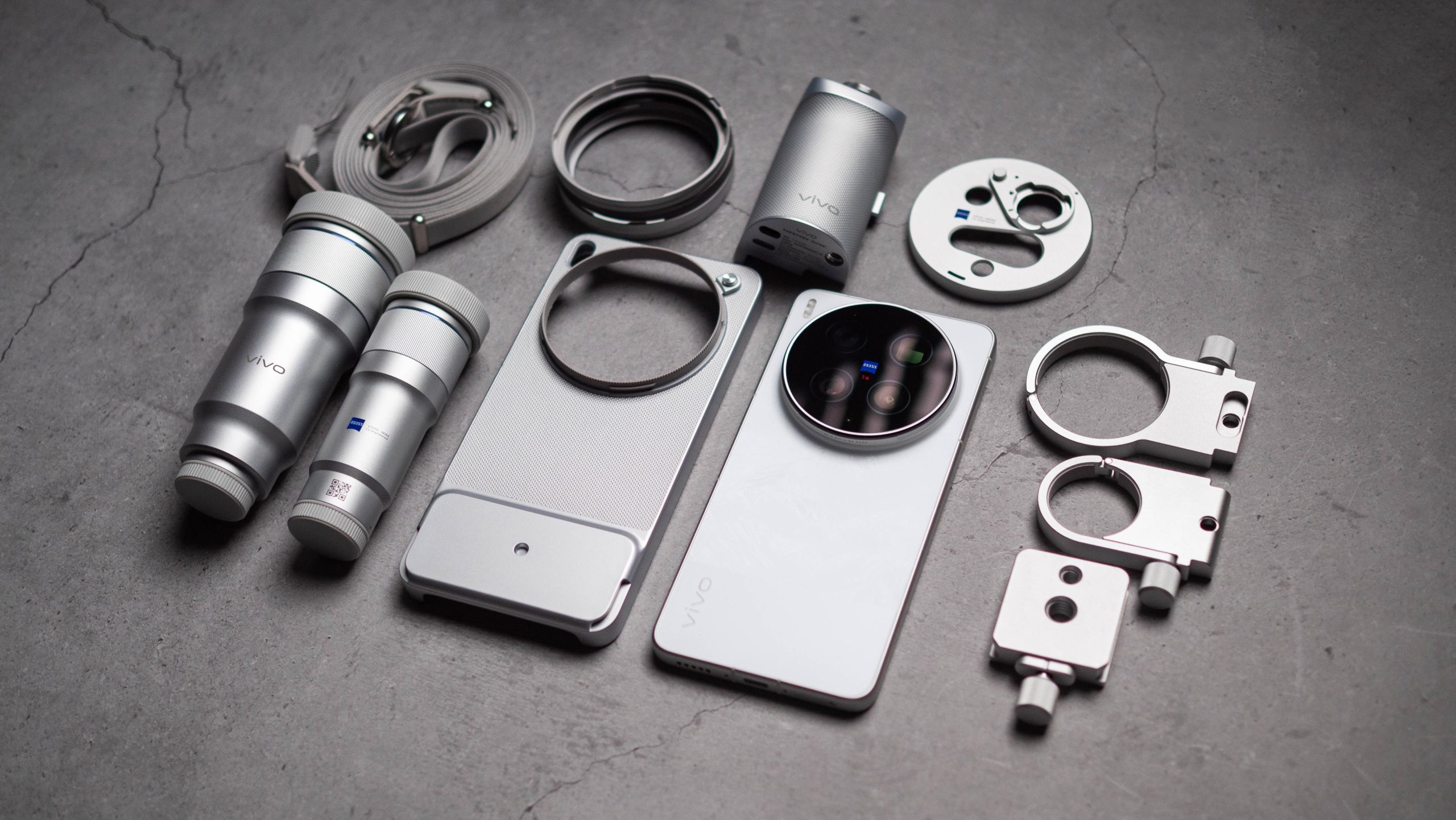
However, since Chinese phones do not utilize Google services, manufacturers have developed their alternatives. In the case of Vivo, they provide EasyShare for data transfer to your new device, which is significantly quicker than Google’s option. While setting up the Chinese version of the Vivo X300 Ultra from the Xiaomi 17 Ultra, I migrated over 100GB of data in under 10 minutes.
What I appreciate most is that it transfers all the applications present on your current phone, addressing many issues associated with not having the Play Store pre-installed.
Installing the Play Store and Google services is simple
The primary drawback of using a Chinese device is the absence of Google Mobile Services (GMS). This means that you won’t find the Play Store, Chrome, YouTube, Gmail, or other Google services pre-installed.
However, this isn’t a significant drawback on contemporary Chinese smartphones, as installing the Play Store is straightforward, allowing you to download all your usual applications. Most of these devices come with something called Google basic service management accessible in the settings. You’ll need to activate this feature, which supplies the essential services that Google employs for many functionalities you typically receive on