

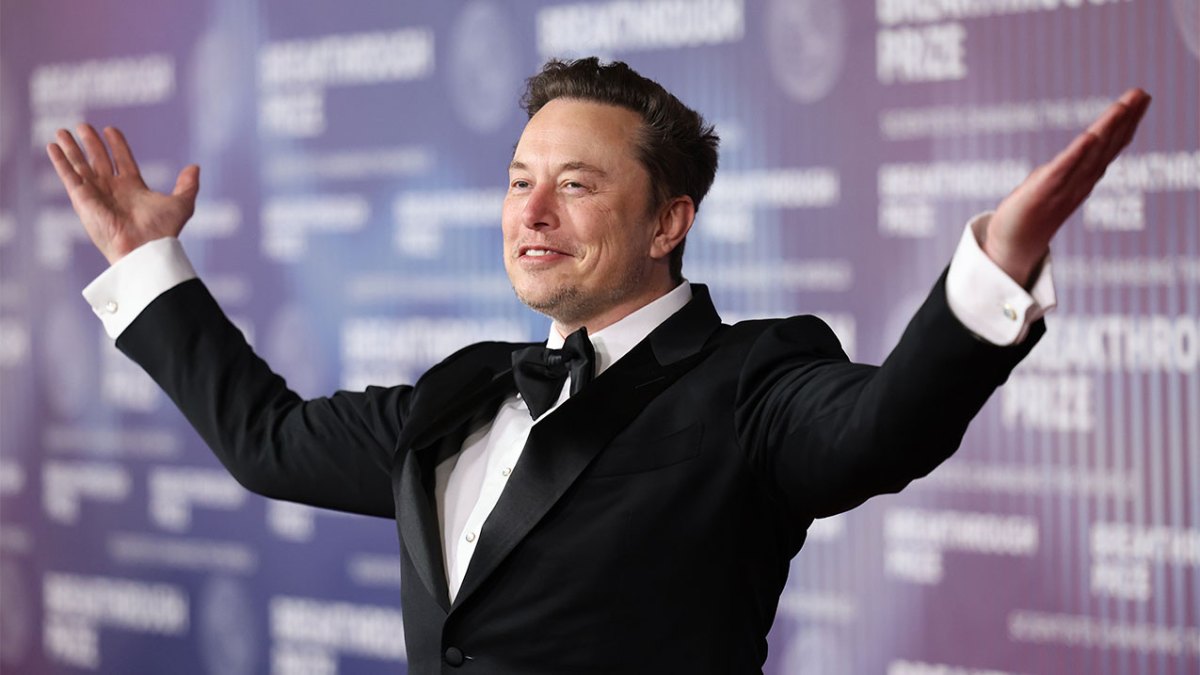
Elon Musk exerts significant influence over the companies he controls. While he serves as “TechnoKing” at Tesla, at SpaceX, he exercises unparalleled authority over one of the world’s most valuable enterprises.
Musk’s dominant position at SpaceX became clear with the company’s IPO filing released on Wednesday.
Following the IPO, Musk will remain CEO, CTO, and chairman of SpaceX’s board, holding over 50% of the voting power, thus having the authority to appoint directors as he chooses. Essentially, he is unfireable.
The company restricts shareholders’ ability to file legal challenges and operates under a lenient regulatory environment in Texas, its base state—conditions Musk helped establish by relocating Tesla’s incorporation from Delaware.
SpaceX warns potential investors in the filing: “This will limit or preclude your ability to influence corporate matters and the election of our directors.”
More control than Mark
Over the past two decades, tech founders have gained increased control over public firms, with companies like Google and Meta going public with dual-class shares.
According to Ann Lipton, law professor at the University of Colorado, Musk and SpaceX are pushing this concept further.
Lipton argued, in a blog posted last Friday, that Musk is dismantling the primary levers shareholders use to influence a public company’s leadership.
The first lever is voting. SpaceX employs a dual-class structure, with Musk holding 93.6% of the Class B super-voting shares unavailable to the public.
Despite aiming for the largest IPO ever, Musk will still control over 50% of the voting power post-listing, classifying it as a “controlled company” by stock exchange standards, allowing it to bypass independent oversight requirements.
SpaceX’s IPO filing indicates that regular shareholders (holders of Class A shares) “will not have the same protections as shareholders of companies bound by all of Nasdaq’s corporate governance requirements.”
Musk’s dominant voting power allows him to make decisions requiring shareholder approval, including mergers and acquisitions. If Musk chooses to merge with or acquire Tesla, as speculated, SpaceX’s shareholders won’t be needed for approval.
Voting control marks a notable difference between Musk’s influence at SpaceX versus Tesla. Musk controls about 20% of Tesla’s voting power and has had to exert significant pressure to gain more stock, as demonstrated by Tesla’s $1 trillion compensation package recently approved by shareholders.
A legal shield
The second lever SpaceX restricts is the capacity to sue.
Incorporated in Texas, SpaceX prevents shareholders from filing a “derivative suit” unless they possess at least 3% of the company’s shares. For a $1.75 trillion valuation, that amounts to a stake of about $52 billion.
Derivative suits arise when shareholders litigate against company directors on behalf of the company, such as the lawsuit against Tesla’s board over Musk’s $56 billion remuneration in 2018. </p