
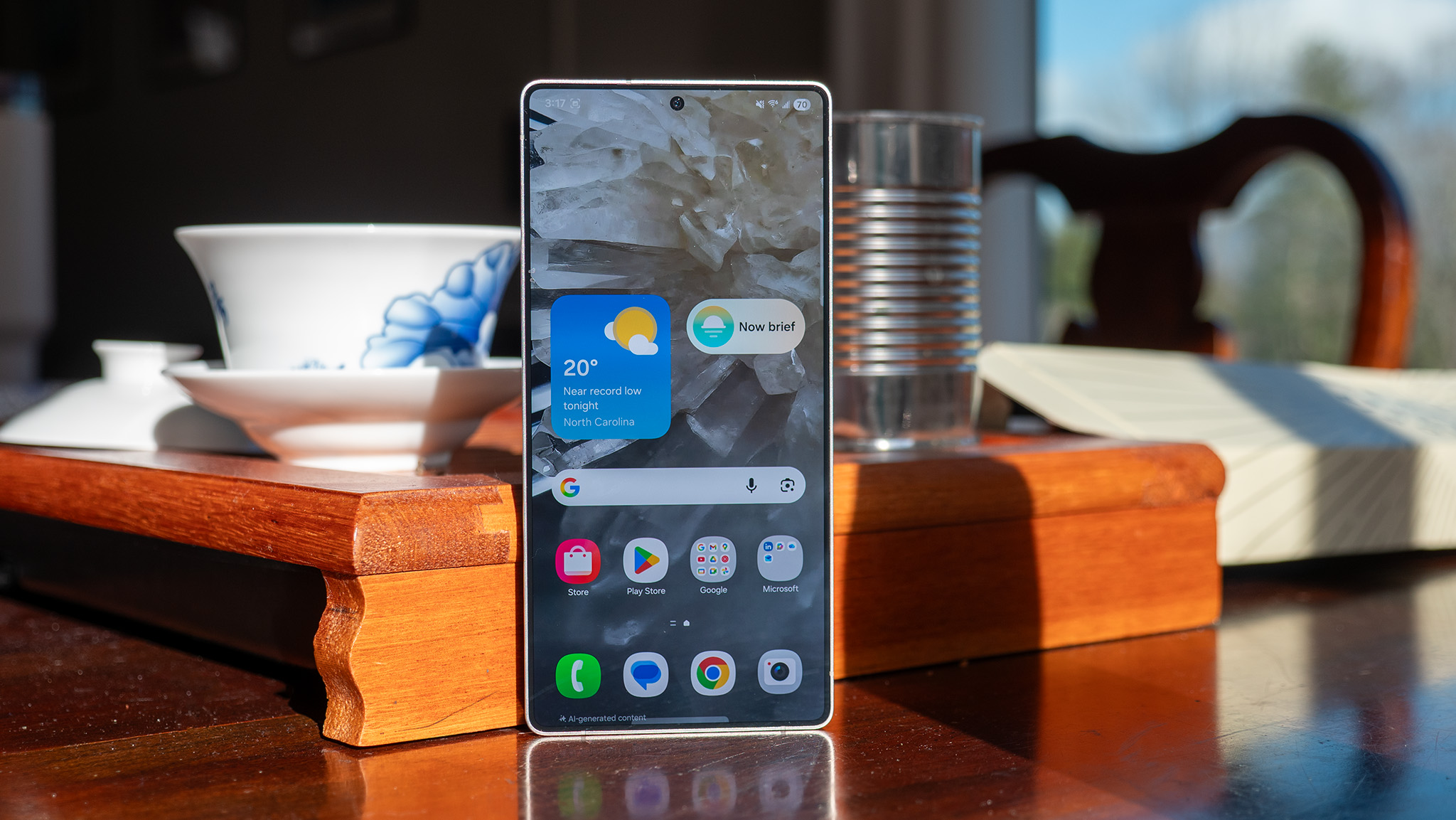

The shift from Samsung Messages to Google Messages may appear overwhelming for certain users, yet it is not as difficult as it seems. Samsung has revealed that its Messages app will be phased out by July 2026, making Google Messages the default messaging application on Samsung devices. Although this transition means parting ways with some cherished features of Samsung Messages, Google Messages provides a strong alternative with its unique benefits.
One prominent feature that users may miss from Samsung Messages is its straightforwardness and minimalistic design. In contrast to Google Messages, which incorporates Google’s AI assistant Gemini right into the app, Samsung Messages offered a clear messaging experience devoid of AI functionalities. This straightforwardness was valued by those who preferred a classic messaging interface without any extra distractions.
Personalization is another aspect where Samsung Messages thrived. It delivered a wide range of options for customizing chat appearances, such as modifying chat colors, message bubble hues, and applying theme-based designs. In comparison, Google Messages presents limited personalization options, although Google is working to enhance these features.
Samsung Messages also featured helpful tools for categorizing messages, enabling users to sort messages into categories akin to email tabs. This functionality streamlined message management. Unfortunately, Google Messages does not yet provide a comparable categorization system, although it has introduced innovations like a trash section for retrieving deleted chats.
Regardless of these differences, Google Messages stands out as a strong RCS alternative. It fully supports RCS functionalities such as high-quality media sharing, typing indicators, and emoji reactions. Moreover, Google Messages boasts features like Messages for Web and advanced spam protection, which are absent in Samsung Messages.
Google has been diligently enhancing its Messages app, incorporating new capabilities and upgrades. Recent enhancements include a trash folder for deleted chats, the ability to copy specific sections of a message, and marking RCS notifications as read from Wear OS. These advancements suggest that Google is dedicated to developing its Messages app into a comprehensive and user-friendly messaging platform for Android users.
To sum up, while the transition from Samsung Messages to Google Messages requires some adaptation, the change is not as formidable as it may appear. Google Messages presents a dependable and feature-rich alternative that continues to evolve and improve, establishing itself as a worthy successor to Samsung Messages.