
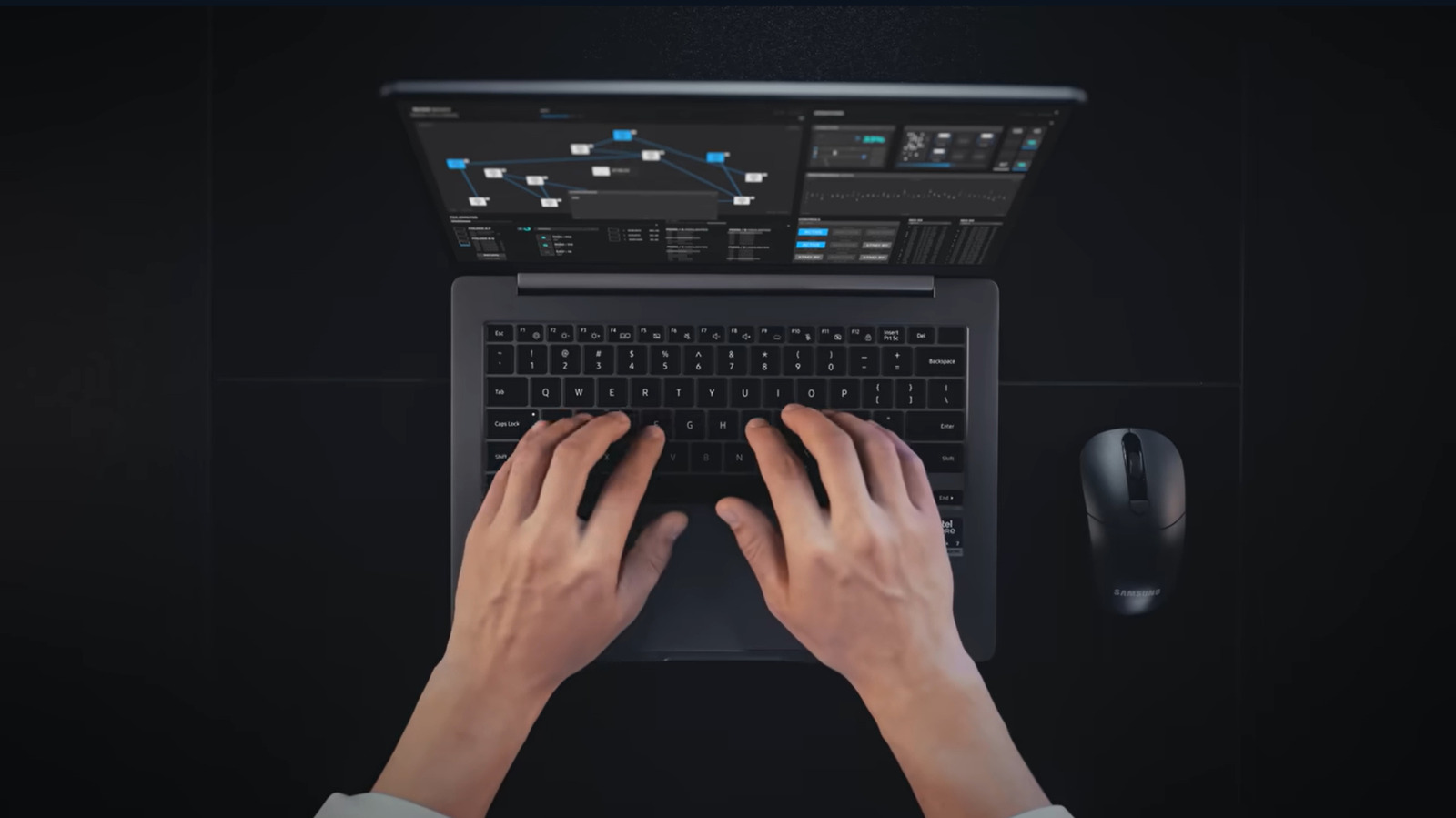

Samsung users are familiar with switching between operating systems. Currently, the company’s devices, which encompass laptops, smartphones, televisions, and smartwatches, operate on various platforms, including ChromeOS, Tizen, Windows, and Android. Nevertheless, its laptops have traditionally presented a narrower selection of OS choices. The well-known Galaxy Book series, for example, operates solely on Windows, while the company’s Chromebooks rely on Google’s ChromeOS. Still, enthusiasts of the brand’s laptops may be in for a treat, as the South Korean tech titan could be revamping its product range.
A report from SamMobile reveals that Samsung is poised to revamp its popular Galaxy Book laptop series. This transformation would involve Samsung replacing Windows 11 with Google’s upcoming Android-based operating system on select models. The report notes that these laptops “will run on Android 17-based One UI 9 software.” This news may come as a mild surprise to some Android enthusiasts, as Android 17 is presently only accessible in beta on certain devices. However, it remains unclear if Samsung intends to sever its ties with Windows, or if it is simply broadening its operating system choices. Thus far, no official statement has verified the transition.
The leak arrives as Google moves towards the long-anticipated launch of Aluminum OS, which aims to unify both Android and ChromeOS for phones, laptops, and tablets alike. Nonetheless, Android’s next significant evolution keeps facing postponements. Whether Samsung’s schedule aligns with Google’s eagerly awaited Aluminum release, or if the new Galaxy Book models will arrive before the operating system’s introduction, is yet to be determined.
How Android modifies the Galaxy Book
Currently, Samsung provides two main lines of laptops, each utilizing a different operating system. The company’s Windows laptops, part of the Galaxy Book lineup, deliver high performance at a premium cost. Despite new models exceeding $1,000, the Galaxy Book is among the top premium laptops available in 2026. Conversely, its Galaxy Chromebook series serves as a robust budget alternative. A lightweight laptop that offers a solid cloud-first experience through ChromeOS, its speed and battery life are perfect for online browsing and essential tasks.
Limited information exists regarding Samsung’s forthcoming Galaxy Book series. Based on SamMobile’s insights, the firm is crafting low, mid, and high-end variants of its forthcoming Galaxy Books. As suggested by SamMobile, these models will operate on One UI 9 built upon Google’s Android 17. Notably, Samsung’s phones, watches, televisions, and tablets already utilize the One UI software, prompting speculation that the new Galaxy Book will enhance integration across Samsung’s devices. Unsurprisingly, these laptops are also said to feature numerous Galaxy AI functionalities, akin to those seen in Samsung’s other devices. Additionally, SamMobile mentions that Android-based Galaxy Book models may include an upgraded version of Samsung DeX to strengthen connectivity with Galaxy phones and tablets that feature it.
A significant unknown
At this point, Samsung’s upcoming laptop range is characterized more by uncertainties than by definitive features. Regarding hardware, SamMobile’s report simply states that the flagship model “is rumored to showcase an elegantly sleek design.” Crucially, even this minor detail is accompanied by ambiguity, as the outlet cautions that the “popularity” of Apple’s MacBook Neo, a cost-effective laptop aiming to broaden the Mac’s appeal beyond the premium segment, “could shift [Samsung’s] design focus.”
So far, no information is available about the potential launch of the laptop. While the report speculates that Samsung might align its next laptop release with Google’s imminent Android 17 unveiling, which is anticipated to take place at the company’s May 2026 Google I/O developer conference, there has been no confirmation from the company that Samsung’s Android 17 laptop will debut this year. Furthermore, it remains plausible that Samsung could continue issuing Windows laptops, possibly utilizing the powerful Windows-on-ARM system in conjunction with its Android offerings. The impact of Google’s Aluminum OS development on these strategies is still uncertain.
The implications of Samsung potentially broadening its long-standing collaboration with Google could spark intensive discussions in the forthcoming months. Naturally, introducing a unified interface, shared app ecosystem, and consistent AI functionalities might enable deeper integration across the collaborative products of the two technology giants. Nevertheless, at this moment, any projections regarding the potential new laptop remain speculative until additional details emerge. Whether those details will surface in May is uncertain.