Android 17’s First Quarterly Platform Launch Gets a Second Beta to Fix Instability and Gesture Issues

Here’s another beta and another series of improvements.

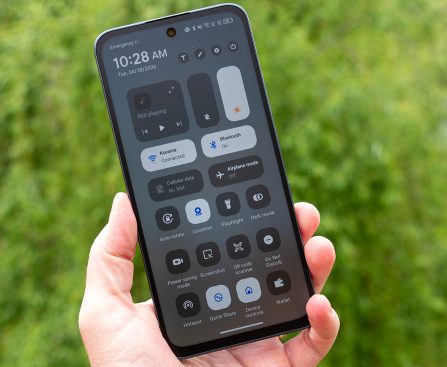
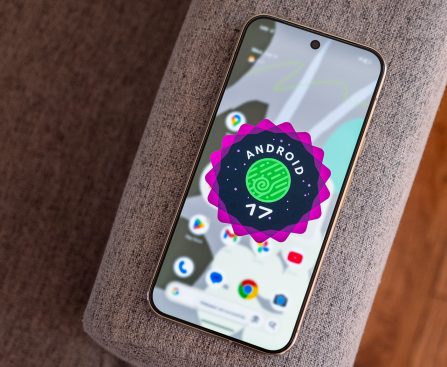
Google persists with its QPR1 development for Android 17 by launching Beta 2 for enrolled Pixel users. The patch notes emphasize various fixes for swipe gestures, “visual instability” during app transitions, Bluetooth tethering issues, and more. QPR1 Beta 1 was released a few weeks ago, bringing in several significant bug fixes.

Google’s work on its initial major Android 17 QPR update continues, as users receive a second beta this week. The company disclosed the details of Android 17 QPR1 Beta 2 on Reddit for testers, outlining its resolutions for a number of early testing problems. Numerous reports were submitted to Google between QPR1 Beta 1 and Beta regarding a “visual instability” concern that affected Pixels when moving apps “in the recent items screen.” The company announces it is deploying a fix for this, along with a swipe gesture issue.

Pixel users indicated a need to manually reactivate their device’s internet sharing connected devices due to an emerging Bluetooth tethering issue. This was noted in Issue #371660785 within a lengthy Issue Tracker thread extending beyond 2026. Google affirms this issue should be resolved as users start downloading QPR1 Beta 2’s OTA patch.

On a decorative note, Google mentions a fix is being distributed for custom-themed apps. Many of these were improperly displayed on users’ home screens when exiting other applications. The remaining changelog includes:

– Fixes a bug in the F2FS file system that could lead to data corruption or unforeseen system instability
– Corrected an issue where mobile signal bars incorrectly showed as empty or greyed out despite being connected, hindering users from accurately assessing their network signal strength
– Ending a third active call from the head unit mistakenly disconnects an existing conference call participant instead of the intended call
– Resolved a problem where the Terminal app fails to launch, resulting in an unresolvable error pop-up and endless loading

Android 17’s off and running

We’ve seen Android 17 enter its “Platform Stability” phase, but Google isn’t delaying by rolling out QPR1 Beta 1 immediately. This update is meant to be the software’s first considerable update following its launch. It’s pretty surprising to consider that Google is already shifting to “new features,” but that’s likely just intelligent planning. When QPR1 Beta 1 launched, there weren’t any significant features to highlight. The company was mainly concentrated on resolving issues for Pixels.

Android Central’s Take

Google’s been smoothly advancing with its new software development, not wasting any time crafting the next major OS. Reliability and refinements are the focus for Android 17, suggesting we probably won’t encounter anything too groundbreaking. Still, what it’s developing for the next OS definitely piques my interest, so fine-tuning what we have isn’t negative in my view.

It’s quite similar to the patch notes Google outlined for Beta 2 this week. We’re anticipating Android 17 to launch in mid-2026. The QPR1 contents will likely be held until later in the year, possibly around August or September.
The Ultimate $49 Smartwatch to Purchase in 2026

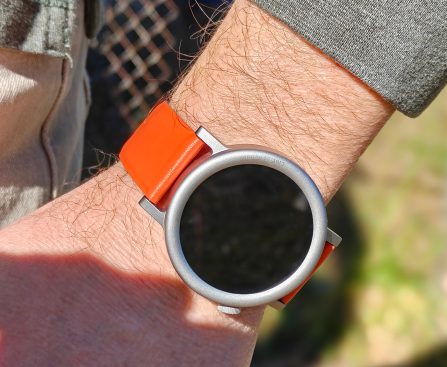
The CMF Watch Pro 2 is an unexpectedly affordable smartwatch that just became even more budget-friendly.

(Image credit: Nicholas Sutrich / Android Central)

Let’s face it: Amazon is filled with a lot of low-quality items. When you enter “affordable smartwatch” into the search field at any moment, the retailer will display numerous products from lesser-known brands and sketchy gadgets that I wouldn’t wear on my wrist for any amount of money.

However, that doesn’t imply there aren’t some gems out there, and if you’re in the market for a smartwatch under 60 dollars, there’s truly only one option worth considering. The CMF Watch Pro 2 from Nothing is an unembellished Android smartwatch featuring an AMOLED screen and a few unexpected functionalities, and <a data-analytics-id="inline-link" href="https://target.georiot.com/Proxy.ashx?tsid=169923&GR_URL=https%3A%2F%2Famazon.com%2FCMF-Smartwatch-Monitoring-Bluetooth-Waterproof%2Fdp%2FB0D8123MNG%2F%3Ftag%3Dftr-androidcentral-gb-20%26ascsubtag%3Dac-gb-1035304121238955554-20" data-url="https://www.amazon.com/CMF-Smartwatch-Monitoring-Bluetooth-Waterproof/dp/B0D8123MNG/" target="_blank" referrerpolicy="no-referrer-when-downgrade" rel="sponsored noopener" data-hl-processed="hawklinks" data-google-interstitial="false" data-placeholder-url="https://target.georiot.com/Proxy.ashx?tsid=169923&GR_URL=https%3A%2F%2Famazon.com%2FCMF-Smartwatch-Monitor

Samsung and LG Present Groundbreaking OLED Displays at SID Display Week 2026

Vibrant displays have us gazing. In the current digital era, screens have become a crucial aspect of our everyday experiences. Ranging from mobile devices to large televisions, the lively screens enthrall us and hold our focus for extended periods. The progression of screen technology has been astounding, with brands like Samsung and LG at the forefront of innovation.

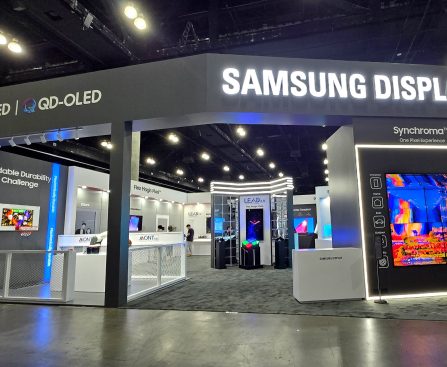
At the recent SID Display Week 2026, Samsung revealed its newest developments in OLED technology. The centerpiece was the Flex Chroma Pixel display, engineered for smartphones, which features a peak brightness of 3,000 nits and supports the BT.2020-96 color spectrum. This guarantees a more vibrant and dynamic display, establishing a new benchmark for UHD and HDR broadcasting.

Samsung additionally presented the Sensor OLED Display, which incorporates biometric reading features. This cutting-edge screen can assess biometric data, such as blood flow, merely by touching the surface. Such innovations emphasize the capability of displays to not only provide entertainment but also to improve our health and well-being.

Conversely, LG revealed its third-generation Tandem OLED technology. This new screen presents an 18% reduction in power consumption and has a lifespan that is double that of its predecessor. LG envisions utilizing this technology in AI-driven robots and vehicles, as well as in its OLED televisions, which now offer improved light efficiency.

The automotive sector is also witnessing a transformation in display technology. Samsung’s Stretchable Display 2.0 panel for vehicles adapts according to driving conditions, providing a dynamic and engaging experience for drivers.

As screen technology progresses, the potential is limitless. From enriching our viewing experiences to integrating with our health and daily routines, vibrant displays are not merely attracting our attention; they are revolutionizing how we connect with the world.

Garmin Fenix 8 Experiences Uncommon Price Reduction on Amazon: Assessing the Worth of the High-End Fitness Timepiece

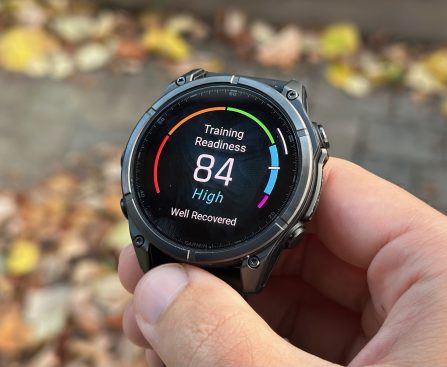
The Fenix 8 undoubtedly ranks among the finest fitness watches Garmin has created, though this robust wearable comes at a premium price. Luckily, Amazon is offering an impressive $250 discount on the 47mm model of the watch for a limited time, bringing the cost down to $749.99. This represents a 25% savings and is one of the rare price reductions we’ve observed on this wearable throughout the year.

Whether you aim to monitor your daily runs, keep tabs on your health, or embark on outdoor adventures for extended periods, the Garmin Fenix 8 serves as the perfect partner. The downside is that deals on this device are infrequent, so don’t hesitate too long if you have an interest.

Garmin adopted an “everything but the kitchen sink” strategy with the Fenix 8, incorporating all the premier features from its smartwatch range into one high-end device. The watch is equipped with all of the highly accurate health sensors one would expect from the brand, such as HRM, SpO2, ECG, and skin temperature, along with some top-notch features that may surprise you, like a built-in LED flashlight and an AMOLED display.

Despite a rocky launch, the Garmin Fenix 8 now excels on the software side as well, offering a wealth of helpful training insights, pre-loaded activity modes, and customizable daily fitness summaries. The watch also features full-color GPS mapping, a dive-proof build, and an impressive battery life of up to 16 days on a single charge.

Naturally, no wearable is flawless. The Fenix 8 may not be the best option if you’re in search of a traditional Android smartwatch, and if you’re after something more casual, there are numerous budget-friendly smartwatches available that can meet your needs for less. However, if you’re a dedicated self-driven athlete who seeks detailed insights into all your fitness endeavors, the Garmin Fenix 8 could be just what you’re seeking.

Viture Broadens Its Premier Smart Glasses Ecosystem with Two Groundbreaking New Offerings

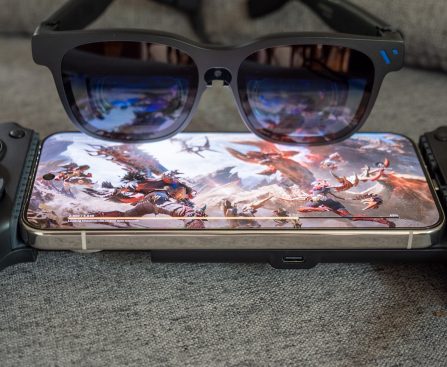
Viture’s newest eyewear has greatly evolved since its premiere, delivering a more polished and immersive experience for users. The Viture Beast, their latest XR glasses, now boasts native 3DoF spatial tracking and a 1200p resolution, improving visual sharpness and consistency. A recent firmware upgrade has resolved earlier issues such as 3DoF drifting, ensuring that the virtual monitor stays fixed like a physical screen. Moreover, the glasses now support a 16:10 aspect ratio, instant display mode switching, and enhanced memory retention for configurations.

Supporting these improvements is the Abxylute S9V controller, which transforms the Viture glasses into a full-fledged entertainment system. This controller is crafted with replaceable components, including various d-pad styles and customizable buttons, allowing it to cater to different gaming preferences. It pairs effortlessly with Viture glasses, providing low latency and the ease of charging while gaming. The synergy between Viture’s upgraded glasses and the Abxylute controller forms a mobile gaming powerhouse, offering users comfort and an exceptional gaming experience.

The TCL NXTPAPER 70 Pro: An Innovative Affordable Smartphone Offered for Free at Metro by T-Mobile

In the rapidly evolving landscape of today, keeping abreast of the latest technological advancements is essential, yet it frequently comes with a significant cost. Nonetheless, Metro by T-Mobile is challenging this norm by providing the TCL NXTPAPER 70 Pro at no cost with the activation of a new line. This groundbreaking budget smartphone is a revolutionary option, featuring an exclusive 6.9-inch matte screen crafted to minimize eye strain, particularly for individuals sensitive to PWM dimming. The screen also highlights a 120Hz refresh rate and adjustable “ink modes” for a personalized viewing experience.

In addition to its remarkable display, the NXTPAPER 70 Pro is powered by Android 16, a MediaTek Dimensity 7300 chipset, 8GB of RAM, and a powerful 5,200mAh battery. It further features IP68 water and dust resistance, guaranteeing longevity. Although the phone is priced at $199, Metro by T-Mobile’s promotion enables customers to obtain it at no cost by selecting an eligible data plan, starting at $50 per month with AutoPay. These plans encompass unlimited talk, text, and data, a mobile hotspot, and a five-year price lock, with many plans providing 100GB of Google One storage.

This promotion is an excellent chance for those in search of an eye-friendly, budget-conscious device without sacrificing features. While the NXTPAPER 70 Pro may eventually be available at major retailers such as Amazon and Best Buy, the current offer from Metro by T-Mobile is challenging to surpass. It’s an intelligent option for anyone aiming to enhance their smartphone without straining their finances.

“Fitbit Application Shifting to Google Health in Under Two Weeks: Essential Details”

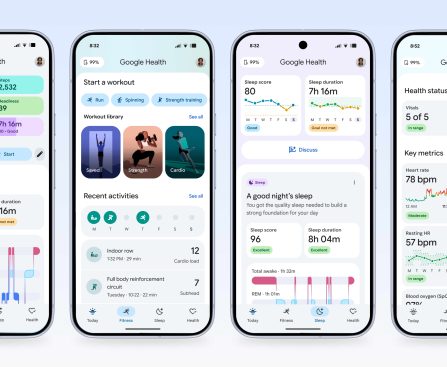
It’s finally occurring: Fitbit is completely merging with the Google brand under Google Health. On May 19, the Fitbit app will transition to the Google Health app through an automatic OTA update. Fitbit data will seamlessly shift to Google Health, and Google Fit users will have the opportunity to transfer their data later this year. Furthermore, Fitbit Premium has now become Google Health Premium, with the annual subscription priced at $20 more. However, it’s complimentary for Google AI Pro and Ultra subscribers across more than 30 countries.

Google’s purchase of Fitbit in 2021 paved the way for this change, following a trend seen with other acquisitions like Nest. The new Google Health app will function as the central hub for health and fitness information throughout Google’s ecosystem. It will launch as an upgrade to the current Fitbit app, ensuring a smooth transition for users. The app will include a Health Coach, an AI-driven trainer specifically for Google Health Premium subscribers.

The Google Health app will incorporate advanced machine learning algorithms for enhanced sleep tracking, nutrition logging, and integration with various health platforms. It will support devices beyond the Fitbit and Google ecosystems, including Apple Health, Peloton, and MyFitnessPal. The app will also provide customizable interfaces and expanded leaderboards for competitive step tracking.

The shift to Google Health Premium replaces Fitbit Premium, with new prices set at $9.99 per month or $99.99 annually. The basic Google Health experience will continue to include key tracking functionalities, while the premium level offers AI-driven enhancements. Importantly, the Health Premium tier is free for Google AI Pro and Ultra subscribers in over 30 countries, broadening access to premium features.

In summary, the merger seeks to unify Google’s health offerings, improving the user experience while preserving the core features that contributed to Fitbit’s popularity.

Google Unveils Fitbit Air: A Novel Fitness Band without a Screen

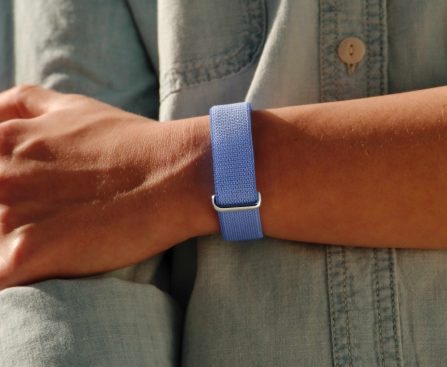
The Whoop-style band, available for $99, presents a streamlined and minimalist method for fitness tracking, offering users unobtrusive health insights without a screen’s interference. Engineered for ongoing health observation, this band is equipped with an optical heart rate sensor for nonstop tracking and features red and infrared sensors for SpO2 blood-oxygen assessment. It works well with both iOS and Android, easily integrating with the Google Health app, enabling users to connect it with a Pixel Watch. Although most functionalities are complimentary, some, such as the Google Health Coach, necessitate a Health Premium subscription. Thanks to its adaptable design and emphasis on passive data collection, this band is perfect for individuals in search of a discreet, effective fitness tracker.

Comprehending the Reasons My Voice Goes Unnoticed in Multiplayer Quest Games

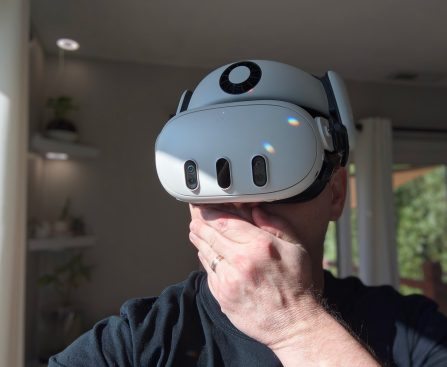
This previous weekend, I enjoyed Forefront with a sizable collection of friends. The game had finally exited beta and released v1.0 just days before, so I had to reinstall it to avoid any strange bugs. Strangely, this led to more frustration; suddenly, no one in the game could hear me, and nothing I attempted seemed to resolve the issue.

It was only after I exited the game that a friend reminded me about app permissions. Of course! The Meta Quest operates on Android, meaning each app must request access to sensitive information like location, cameras, and microphones. Sure enough, I checked Forefront’s app permissions, and it was granted permission to do nothing except run on my headset.

Regrettably, this can easily occur if you mistakenly click off a permissions checkbox or deny a permission without comprehending its significance. To complicate things, the Quest lacks any notification indicating that this is the issue; you must figure it out independently. If you find that voice chat in a game isn’t functioning, or if something else is suddenly malfunctioning in a Meta Quest game, it’s wise to inspect the app’s permissions.

Upon realizing that missing or incorrect permissions may be the source of your troubles in your Meta Quest game, you’re halfway toward a solution. Most Meta Quest apps will solely require microphone permission to operate correctly, but some additional apps and games, such as mixed reality titles, will also need spatial data and camera permissions.

Regardless of what permissions the game may require, you can adjust them all in one easy location. Meta’s new Navigator UI may make it slightly more challenging to locate certain settings, but, ironically, it takes fewer steps to reach your destination compared to the old UI. Here’s the procedure to find them:

1. While using your Meta Quest, press the Meta button on the right controller to display the Navigator menu.
2. Locate the app or game whose permissions you wish to modify in the library.
3. Direct your cursor to the app, then press and hold the trigger until a menu pops up.
4. Select Settings from the pop-up menu.
5. Under the permissions tab, tap any toggle to activate permissions that are currently disabled.

After you make this adjustment, everything should begin functioning properly. Some apps or games might require you to exit and restart them, but typically, permission changes take effect immediately. If that still doesn’t resolve your issue, ensure that voice chat is enabled and verify that the voice volume isn’t turned all the way down in your game’s settings menu.

It’s frustrating that the system doesn’t notify you when an app is requesting permission that you’ve previously denied (or overlooked), but at least it’s straightforward to determine if a permissions issue is the root of the problem. Enjoy your gaming!