
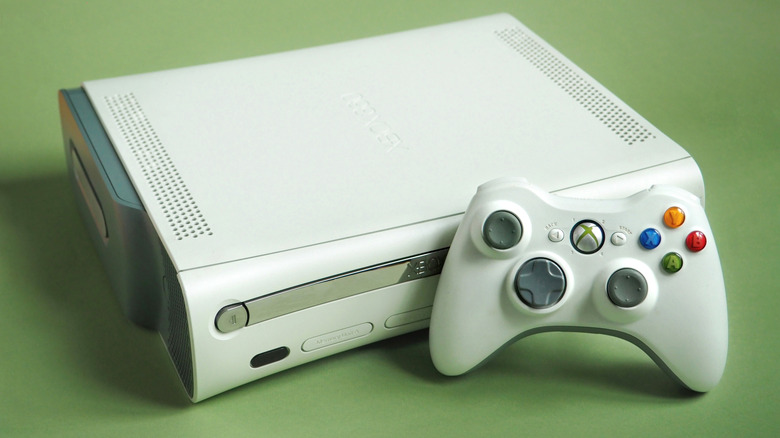

Consoles have experienced their share of challenges post-launch. The PlayStation 3 faced the yellow light of death, while the Nintendo Switch Joy-Cons suffered from drift issues. However, none have been as notorious and troublesome as the Xbox 360’s red ring of death (RROD). If you had a 360 in the early 2000s, it’s likely you were aware of someone who endured the RROD or encountered it personally. It’s a design flaw that plagued the Microsoft console and left gamers pondering what had gone awry.
By June 2006, reports surfaced of red lights appearing on the 360’s power button, leading to system crashes. Microsoft and its hardware collaborators identified that the root cause of the RROD was thermal stress within the unit. Continuous cycles of heating and cooling during regular use exerted pressure on GPU and CPU solder connections, eventually resulting in hardware failures. However, this issue was rectified in later models of the 360 when engineers created a new, physically re-engineered chip and packaging.
Even prior to the RROD, the 360’s development was not without its bumps. The console’s development team faced stringent deadlines, and Microsoft shifted some engineers from reducing costs of wireless controllers to address pre-launch challenges. After months of troubleshooting, the 360 was set for its debut, officially launching in November 2005.