
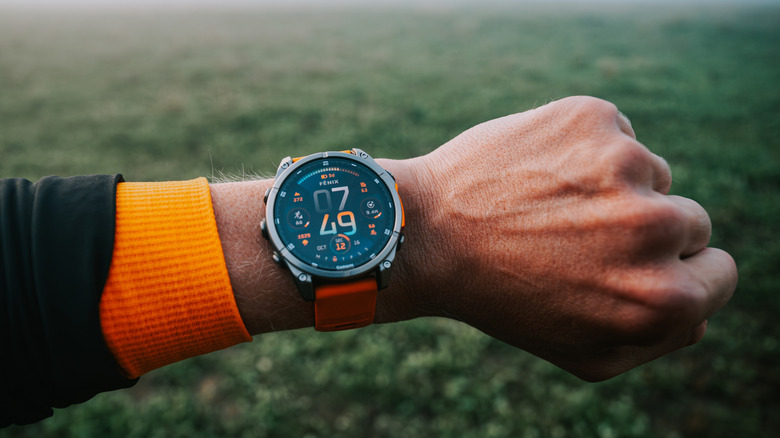

The Apple Watch is recognized as the leading smartwatch, according to Counterpoint. It seamlessly connects with the iPhone and AirPods, featuring three distinct series tailored to various users. Nevertheless, some runners, hikers, and swimmers opt for Garmin watches. This can be attributed to certain functions that Garmin offers which the Apple Watch does not, such as solar charging, comprehensive button navigation, and the ability to track more detailed health metrics.
To be frank, Garmin’s experience spans over 20 years, while the Apple Watch has just celebrated its first decade, making Garmin more entrenched in the marketplace. The debut Garmin smartwatch, the Forerunner 201, came out in 2003. Since that time, the brand has rolled out over 40 iterations of the watch, with modern versions boasting an OLED display, lightweight titanium bezels, and a battery as robust as the device itself.
Garmin watches provide athletes with significantly more than Apple Watches, which may explain their enduring popularity among sports aficionados. These capabilities are what lead some individuals to overlook Apple’s role in popularizing smartwatches, largely due to the Apple Watch’s design, customizable bands, and Watch Faces.
**Solar charging**
Garmin presents 10 watch models equipped with solar charging functionality, including the Fenix, Forerunner, Instinct, Edge, and Enduro. While Garmin batteries are already recognized for their longevity, solar charging can prolong their life by months—and at times, you might not even need to plug in a USB charging cable.
These timepieces feature a semitransparent layer of solar cells on their displays which convert direct sunlight into power for your watch. This allows you to enjoy more outdoor activities like running and cycling while witnessing your watch gain energy instead of depleting it.
Certain Garmin models come with a solar intensity widget that displays the amount of sunlight absorbed. Designed with panels that are easy to read in bright sunlight without backlighting, the company asserts that placing a watch with a dead battery in sunlight can reactivate it. Models such as the Garmin Edge 840 Solar introduce new cycling metrics dubbed “ride gained,” indicating you may gain 20 additional minutes of battery life for each hour spent riding when utilizing solar power.
**Measure specific health metrics**
Health enthusiasts have accessed numerous new health metrics through the Apple Watch in recent years, particularly with the newest watchOS 26 update. However, users of the Apple Watch often require apps like Gentler Streak for a balanced, visual insight into their health data or rely on The Outsiders for a deeper understanding of their daily readiness.
In contrast, Garmin provides an integrated solution for athletes, incorporating features such as Training Readiness, Body Battery, HRV Status, Load Reports, and Structured Workout Modes. For instance, Training Readiness offers a score calculated each morning that compiles factors including sleep, recovery duration, training load, HRV, and stress to indicate whether you should pursue a Personal Best or opt for rest and recuperation. Conversely, Body Battery serves as a real-time indicator of your physical energy, highlighting the impacts of stressful engagements, an evening drink, or an intense workout.
HRV Status evaluates your overnight Heart Rate Variability against a two-week standard. Apple Watch users must again depend on third-party applications for similar analysis. On the other hand, Load Reports assess your efforts over the previous week, categorizing activities into base, tempo, and sprints. Apple’s Training Load is primarily concentrated on injury prevention, overlooking the various types of physiological strain.
**Impressive battery life**
Apple claims that Apple Watches offer all-day battery life. The most recent models have seen significant enhancements, with the Series 11 battery lasting up to 24 hours and the Apple Watch Ultra 3 reaching a maximum of 42 hours. In Low Power Mode, these figures extend to 38 hours and 72 hours, respectively. However, Garmin watches can last for multiple days, with some models sustaining functionality for weeks or longer due to solar power.
For instance, Garmin’s lifestyle models like the Venu 5 or Epix 3 feature AMOLED screens. Garmin states these watches can last between 10 and 16 days, while Always-On Display can extend their life to about a week. Yet, with GPS Tracking engaged, this lifespan is constrained to 15 to 30 hours. The standard models like the Fenix 8 and Forerunner 975 benefit from more robust batteries thanks to the microLED displays; they can last from 14 to 28 days, whereas solar versions can exceed 40 days if utilized outdoors for several hours each day.
The ultra tier, which encompasses the Enduro 2 or Inst…