
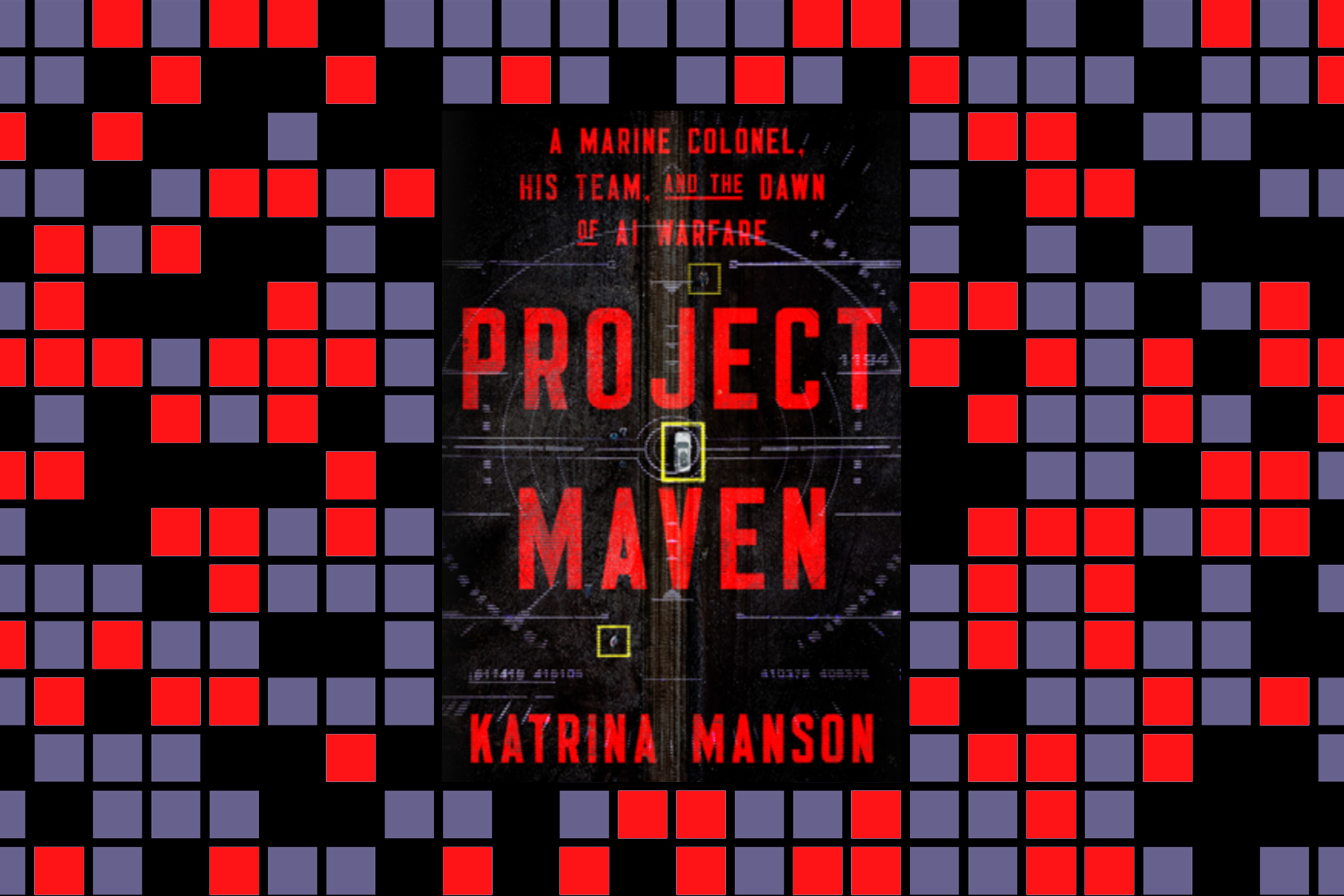

A new book reveals how a controversial Silicon Valley partnership has sped up warfare. On the first day of the US military’s attack on Iran, over 1,000 targets were hit, a pace made possible by AI systems like the Maven Smart System. In “Project Maven: A Marine Colonel, His Team, and the Dawn of AI Warfare,” journalist Katrina Manson delves into the development of Maven from 2017 onwards. Initially a Google venture, Maven was later adopted by Palantir and utilizes technologies from Microsoft, Amazon, and others. Now a tool for the US armed forces and NATO, it integrates various data sources to expedite the “kill chain.”
Despite this, errors can occur, as demonstrated by the tragic bombing of an Iranian girls’ school. Many pointed to an error by an AI technology, but historian Kevin Baker suggests the crisis stems from rapid automation without updated databases. Looking forward, automation could increase with fully autonomous military weapons under development.
Colonel Drew Cukor was a key advocate for AI, frustrated by the outdated intelligence tools during his service. Initially, Project Maven aimed to apply AI to satellite defense but was repurposed for drone imagery to address potential conflicts with China. Google’s involvement led to protests and their eventual withdrawal; Palantir then took on the project, significantly benefiting once Maven became a “program of record.”
During the Ukraine conflict, Maven was pivotal in assisting the Ukrainian military. As AI grew more integral, there are ethical debates on its automation in warfare, emphasizing the critical need for reliable data and human oversight. Concerns persist about the speed and accuracy of AI-driven targeting, illustrating the complexities of integrating technology in military operations.