

The AI notetaking device market in the U.S. has rapidly grown, generating over $600 million in revenue last year, according to Menlo Ventures. Startups like Heidi Health and Freed have demonstrated high demand in healthcare, with doctors and clinics utilizing this technology to track patient conversations, access health records, and reduce administrative work.
However, these applications don’t significantly benefit patients, which is why Kin Health is developing a notetaker to transcribe doctor visits, interpret medical advice, and suggest next steps. The startup has secured $9 million in seed funding led by Maveron.
Kin Health’s app functions like a meeting notetaker, allowing you to record doctor visits and receive an AI-generated summary, which can be shared with family or friends. It also allows users to jot down questions for future visits.
Patient data is encrypted, and summaries remain private by default. Although not HIPAA-certified since it’s patient-facing, Kin Health follows similar privacy standards.
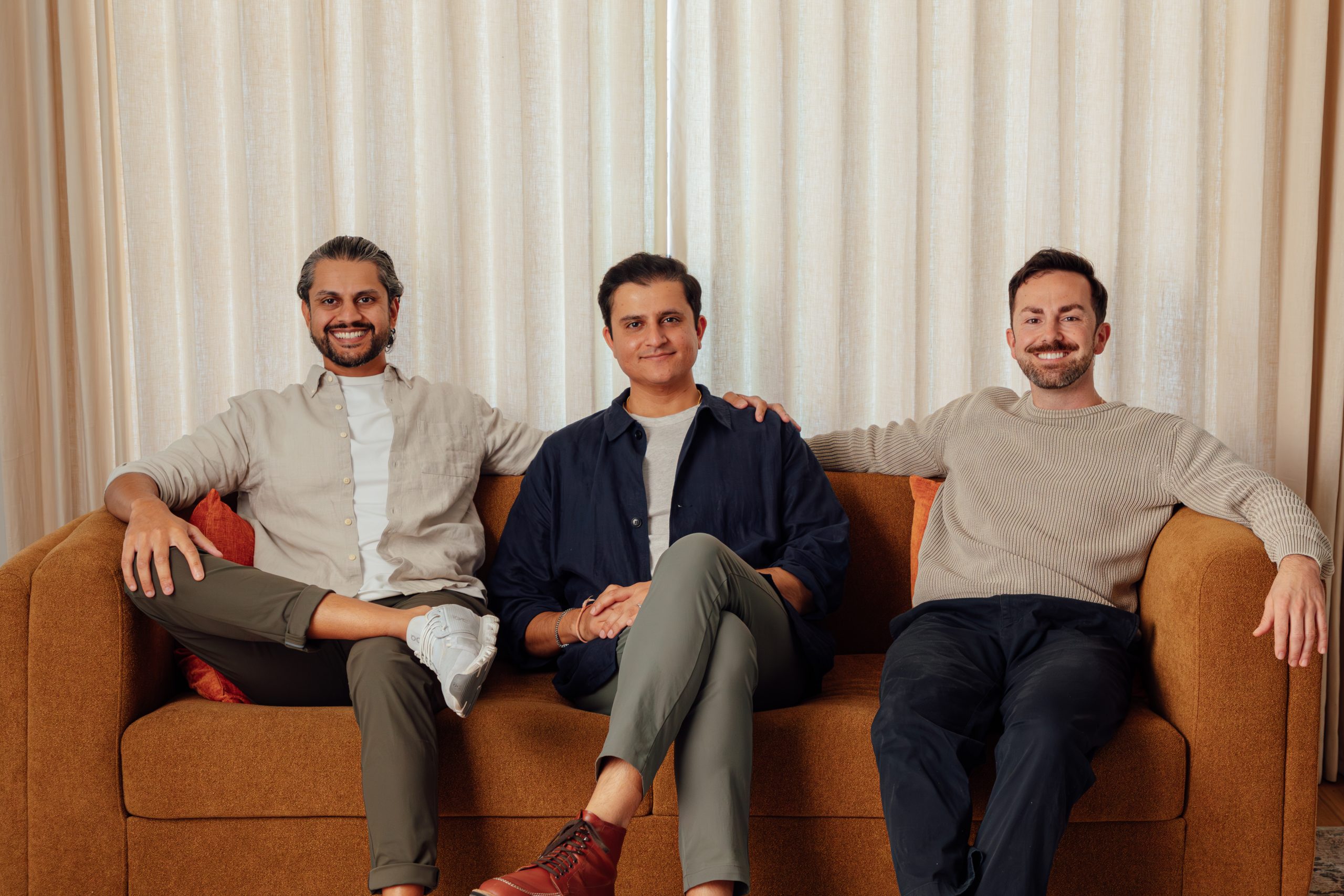
Founders Arpan and Amit Parikh, and Kyle Alwyn, have developed the free app. Previously, Alwyn co-created HeyDoctor and sold it to GoodRx. Doug Hirsch and Trevor Bezdek, co-founders of GoodRx, are involved as founding partners.
“We have a lot of data repositories but lack a utility to drive behavioral change. We’re creating a health graph to compile information from various sources,” Alwyn said in an interview.
Kin Health produces summaries after several processing steps. After transcription, an algorithm forms a clinical narrative, summarized with action items for users. The company uses specialized medical models to ensure accuracy through different stages.
AI in healthcare faces caution regarding data security, AI accuracy, consent mechanisms, and note quality and effectiveness.
AI notetakers often struggle with regional accents. Kin Health aims to ensure recognition across different accents, including situations with a bad throat or mask use.
Dr. Rebecca Mishuris from Mass General Brigham highlights the necessity for physicians to review AI-generated notes. “Generative AI can hallucinate due to its pattern-based nature. Clinicians must review notes before signing as documentation responsibility lies with them,” she stated.
Kin Health currently displays notes from recorded consultations but plans to integrate data from other health sources, including EHR systems, this year.
The app will remain free, and revenue is intended from service referrals, mirroring GoodRx’s model.
Natalie Dillion from Maveron points out that most healthcare tools require patient-led coordination. “Kin addresses a different need: seamless travel between specialists, systems, and providers. It isn’t tied to a single health network or EHR and prioritizes the patient,” she said.
The funding round included Town Hall Ventures, Eniac Ventures, Flex Capital, Foundry Square Capital, Pear VC, The Family Fund, angel investors, and over 30 physicians.